L'APK 1xBet sert à installer l'application Android quand Google Play ne la propose pas dans votre pays. Le fichier actuel mesure 44,9 Mo (47 119 379 octets), version 1xbet-prod-v257.0.74, et demande Android 7.0 ou plus. Le téléchargement doit venir d'une source contrôlée : cette page affiche la version, la taille et l'empreinte SHA-256 du fichier, puis explique l'installation étape par étape pour Android comme pour iPhone.
Avant de télécharger, vérifiez le nom du fichier, le domaine, la date de mise à jour et les autorisations demandées par Android. Un APK trouvé dans un groupe ou sur une page inconnue doit être évité.
Sur Google Play Store, la disponibilité peut changer selon le pays et l'appareil. Si l'application n'apparaît pas, ne prenez pas un fichier au hasard : contrôlez d'abord les détails de l'APK.
Bonus de bienvenue 200 % sur le 1er dépôt — plafond selon votre pays et devise (XOF, XAF, CDF, GNF…)
À saisir seulement si l'offre est visible dans votre compte. Un bonus dépend du pays, de la devise, du dépôt minimum et du wagering.
Bonus & code promo
Bonus de bienvenue 1xBet & code promo
Avec le code promo 1x_6029123, le premier dépôt 1xBet est majoré de 200 % : un dépôt de 10 000 XOF donne 20 000 XOF de bonus, soit 30 000 XOF de solde de jeu. Le plafond dépend du pays et de la devise (XOF, XAF, CDF, GNF) — en Côte d'Ivoire, il atteint 130 000 XOF avec un dépôt minimum de 600 XOF. Les conditions exactes de wagering s'affichent dans le compte avant le dépôt.
Code promotionnel exclusif
1x_6029123
À saisir à l'inscription, uniquement si l'offre est visible dans votre compte. 18+ · jeu responsable.
Activer le bonus en 3 étapes
1 Créez un compte 1xBet (en un clic, par téléphone, e-mail ou réseaux sociaux).
2 Saisissez le code promo 1x_6029123 dans le champ prévu lors de l'inscription.
3 Effectuez votre premier dépôt : il est crédité +200 % selon les conditions de votre pays.
Calculez votre bonus (taux 200 %)
Votre dépôt10 000 XOF
+
Bonus 200 %20 000 XOF
=
Solde de jeu30 000 XOF
Calcul illustratif au taux annoncé de 200 %. Le plafond du bonus et les conditions de mise (wagering) dépendent du pays, de la devise et des règles 1xBet visibles dans votre compte.
Condition de mise du bonus
Valeur (Côte d'Ivoire)
Type & taux
1er dépôt · +200 %
Plafond du bonus
jusqu'à 130 000 XOF
Dépôt minimum
600 XOF
Mise (rollover)
x12 du bonus en paris combinés
Événements par combiné
≥ 3 événements
Cote minimale
≥ 2,10 par événement
Validité
30 jours
Conditions indicatives pour la Côte d'Ivoire, relues le 16 juin 2026 à partir des règles visibles dans l'écosystème 1xBet et à confirmer dans votre compte avant de jouer. Paris annulés, handicaps et totaux exclus de la mise. Une variante x5 (cote ≥ 1,40) peut aussi apparaître selon l'offre.
Captures d'écran
Captures d'écran de l'application
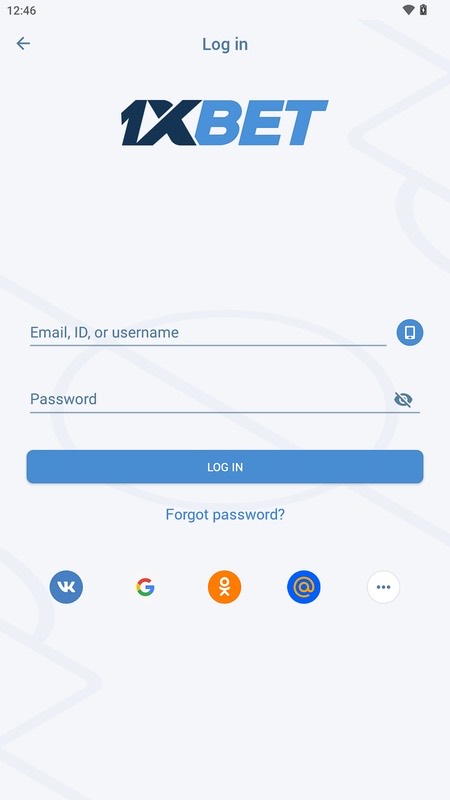
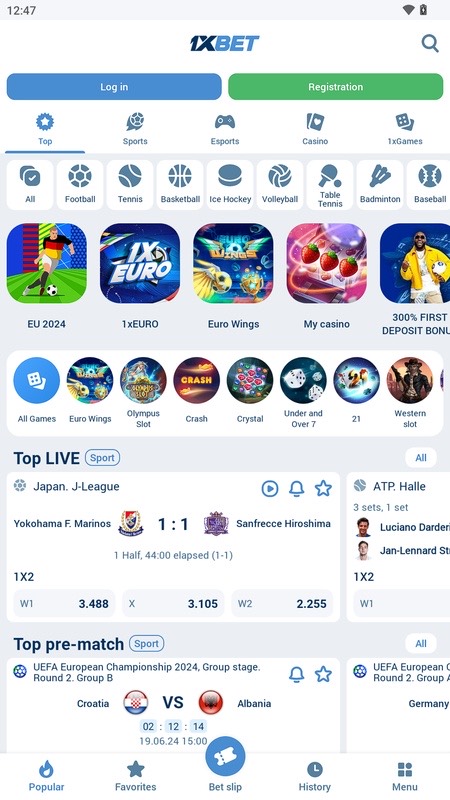
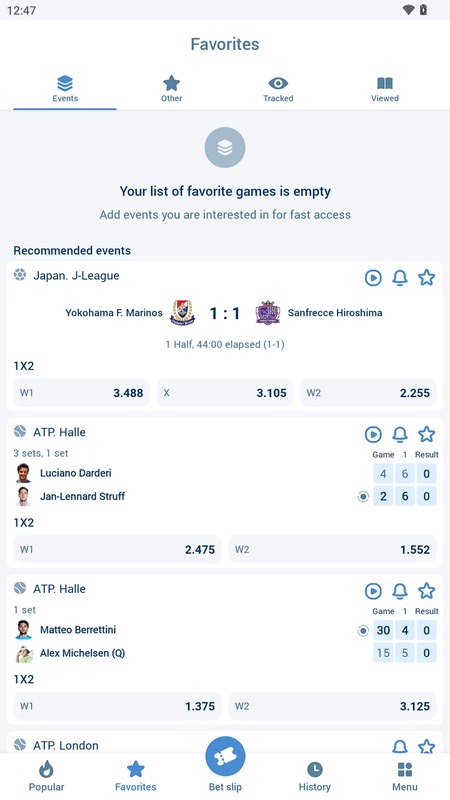
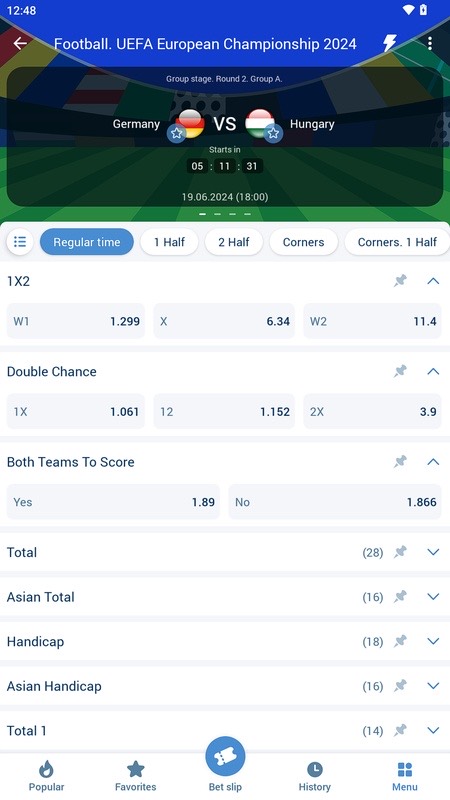
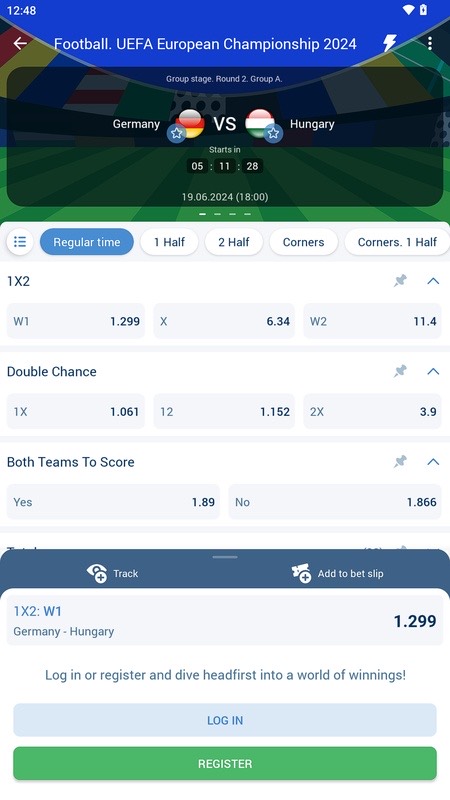
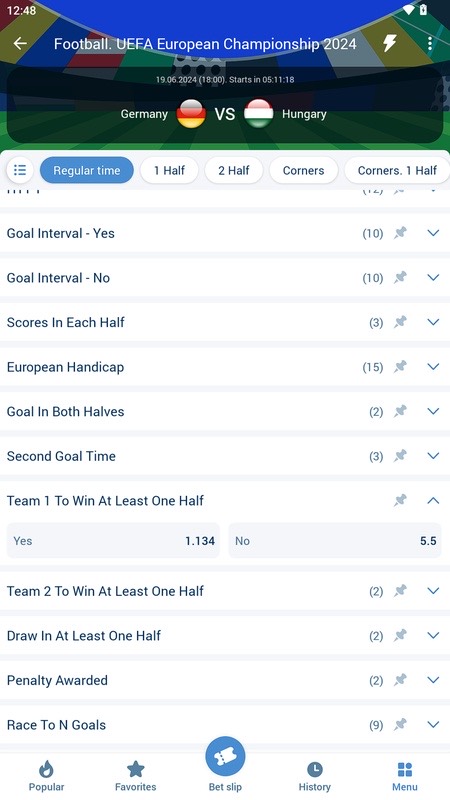
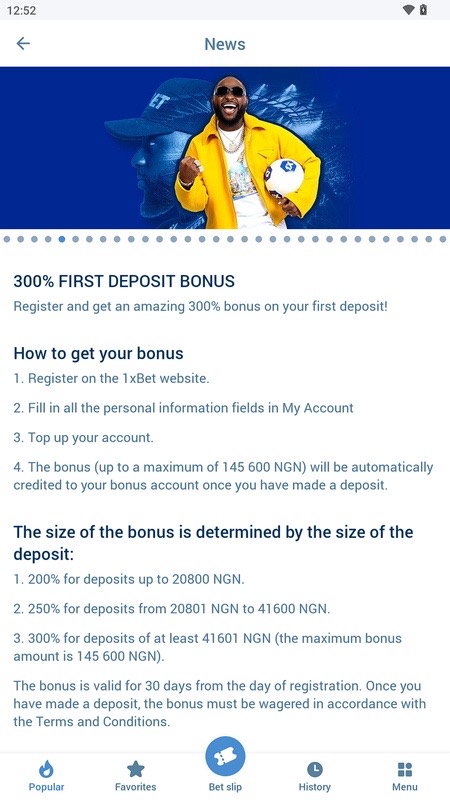
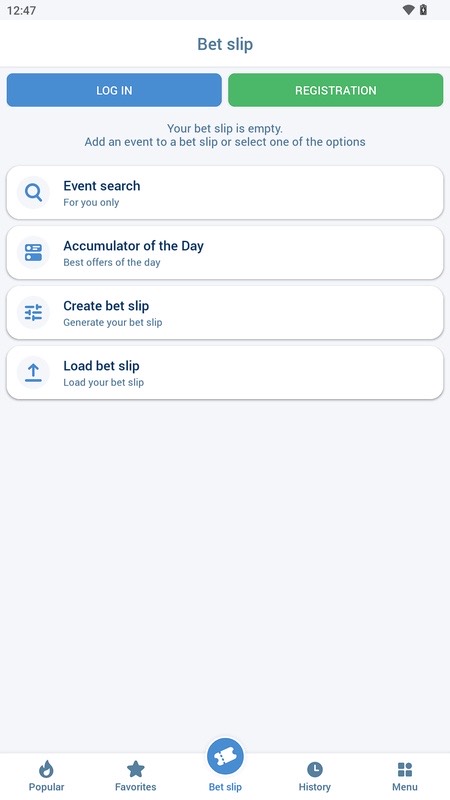
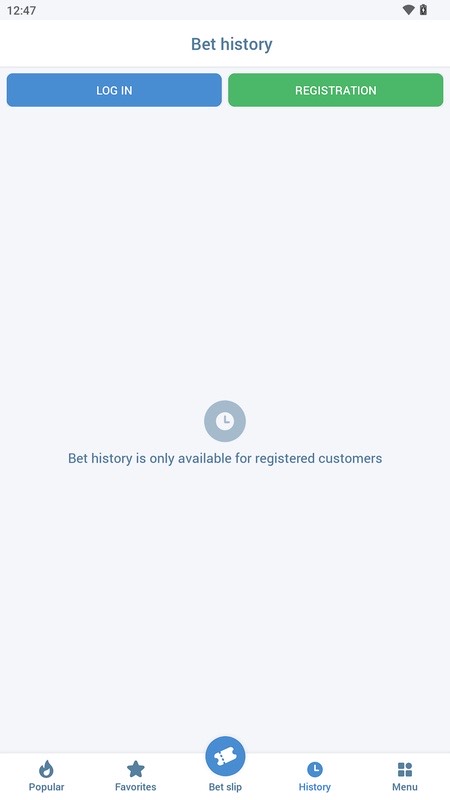
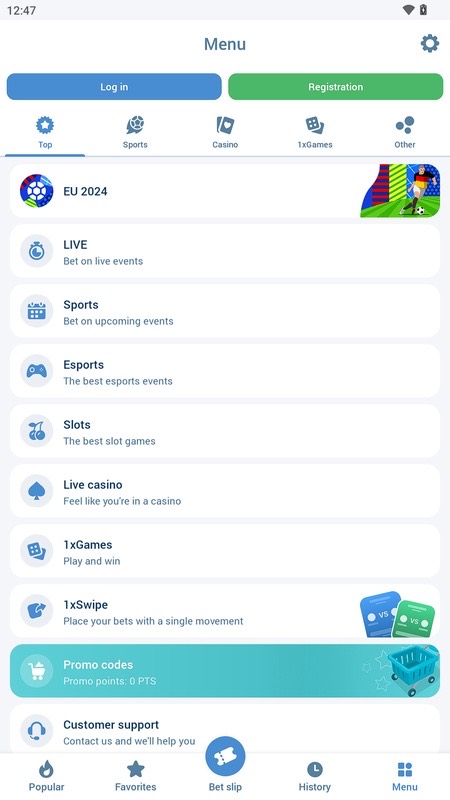
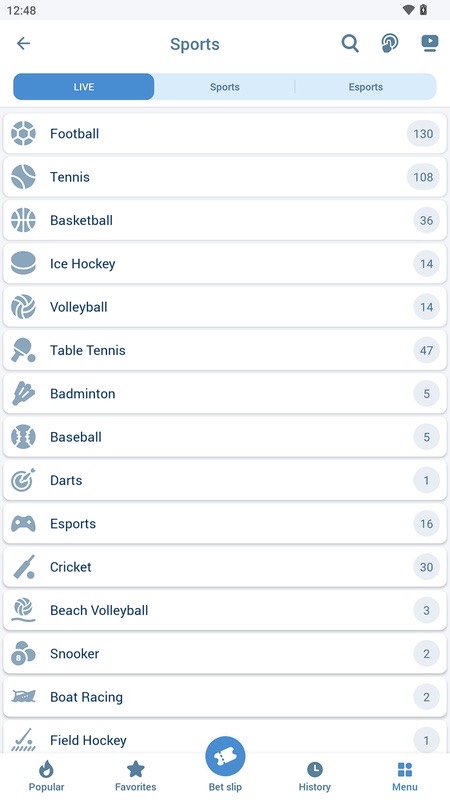
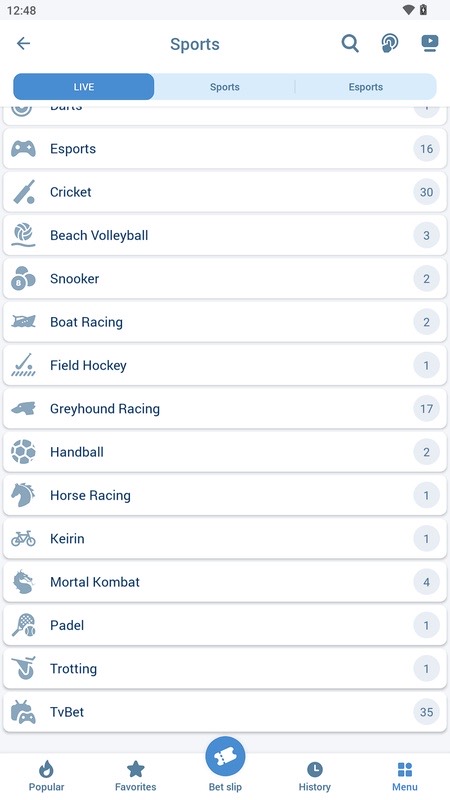
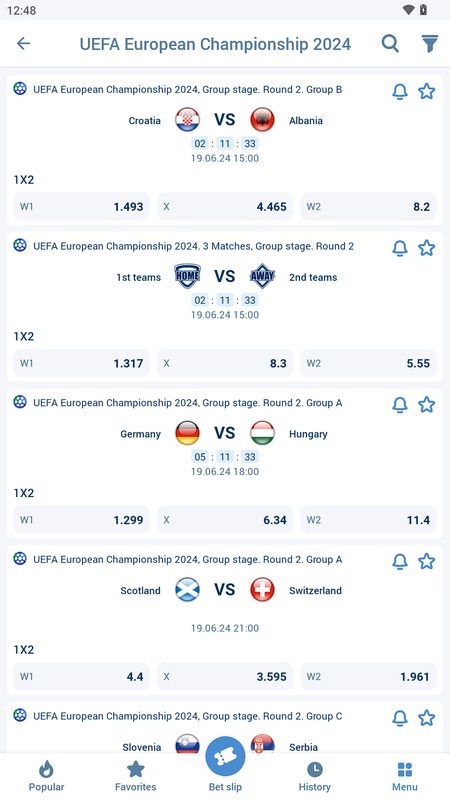
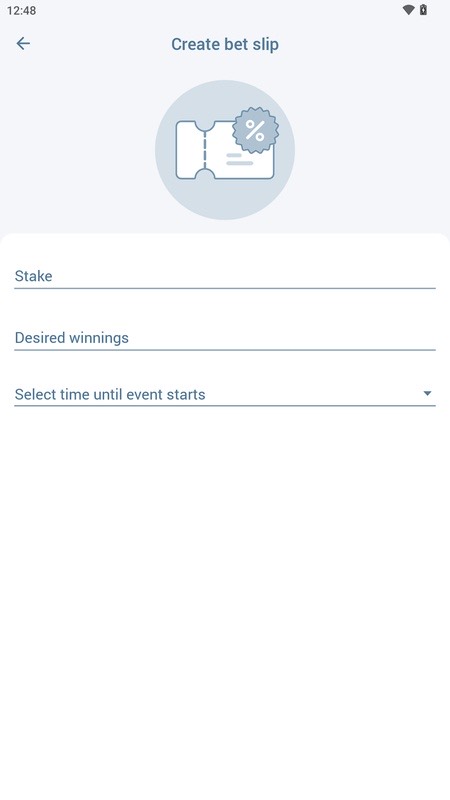
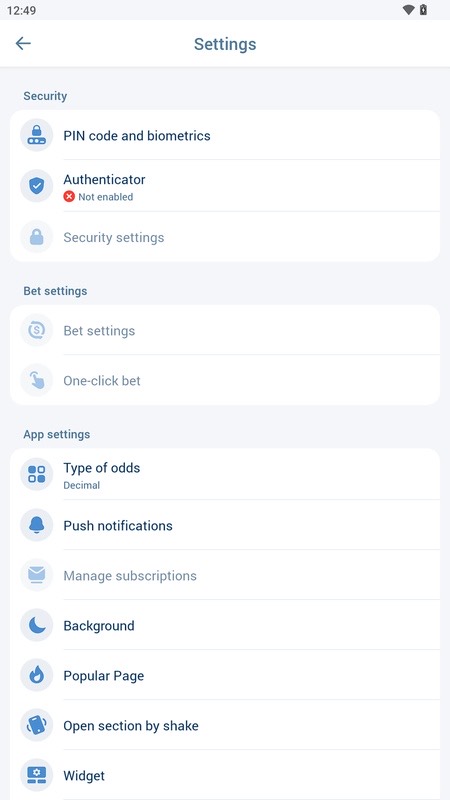
La page présente 6 captures réelles de l'application 1xBet sur Android : l'accueil avec les cotes du jour, la section paris sportifs, l'écran Live, le coupon de pari, le lobby casino et les réglages du compte. Chaque image provient de la version 1xbet-prod-v257.0.74 installée par la rédaction, pas d'une maquette. Touchez une capture pour l'agrandir et comparer l'interface avec votre propre écran.
Connexion au compte (e-mail, ID ou identifiant)Accueil : sports populaires, casino et Top LiveFavoris : accès rapide à vos événements suivisMarchés d'un match : 1X2, double chance, BTTSCotes d'un match et ajout au couponListe détaillée des marchés d'un matchPage bonus : 200 % sur le premier dépôtCoupon de pari : recherche et pari du jourHistorique des paris (comptes inscrits)Menu : Live, Sports, Esports, Slots, Live casinoSports en direct avec nombre d'événementsCatalogue complet des sports disponiblesÉvénements avant-match avec cotes 1X2Générateur de coupon : mise et gains visésRéglages : sécurité, code PIN, notifications
Faites défiler horizontalement pour voir les 15 captures.
Installation
Comment installer l'APK 1xBet
L'installation de l'APK 1xBet demande 3 étapes : télécharger le fichier de 44,9 Mo depuis cette page, autoriser temporairement le navigateur à installer des applications, puis ouvrir le fichier et confirmer. Android bloque par défaut les installations hors boutique : l'autorisation « sources inconnues » doit rester temporaire — activez-la pour installer 1xBet, puis désactivez-la dès que l'application est en place.
L'installation doit se faire en une seule fois depuis le fichier complet. Si le téléphone affiche une erreur, ne forcez pas plusieurs fichiers différents : supprimez le téléchargement raté et recommencez depuis la source prévue.
Après ouverture, l'application 1xBet affiche les cotes en direct, les statistiques de match, les résultats en temps réel, les paris simples, les paris combinés et les paris live.
1
Téléchargez le fichier APK depuis la page prévue.
2
Ouvrez le fichier depuis le navigateur ou le dossier téléchargements.
3
Autorisez temporairement cette source si Android le demande.
4
Installez l'application et ouvrez 1xBet.
5
Retournez dans les réglages Android pour retirer l'autorisation inutile.
Checklist : installation APK, autorisation temporaire et vérification de la source.
Étapes
Comment installer l'application Android ?
L'installation se fait en 3 gestes : 1) téléchargez l'APK 1xBet depuis le bouton de cette page, 2) autorisez votre navigateur à installer des applications (Android affiche cette demande au premier lancement du fichier), 3) ouvrez 1xbet.apk et confirmez. Le fichier pèse 44,9 Mo : gardez au moins 150 Mo d'espace libre avant de commencer, puis supprimez l'APK une fois l'application installée.
1
Cliquez sur « Télécharger » pour commencer.
2
Ouvrir la section « Installer des applications inconnues » dans les Paramètres.
3
Autoriser l'installation d'applications de sources inconnues.
4
Sélectionnez le fichier de l'application téléchargé.
La configuration minimale tient en 4 contrôles : Android 7.0 ou plus récent, environ 150 Mo d'espace libre (le fichier pèse 44,9 Mo), une connexion stable pour télécharger sans coupure et une batterie suffisante pour finir l'installation. La page de téléchargement doit rester claire sur le fichier proposé : elle ne mélange ni Android, ni iPhone, ni anciennes versions de l'application 1xBet.
Infographie : vérifier le fichier APK, la source et la compatibilité Android avant téléchargement.
Élément
À vérifier
Pourquoi c'est important
Android
Version système compatible
Évite les blocages à l'installation
Stockage
Espace libre avant téléchargement
Empêche les fichiers incomplets
Connexion
Wi-Fi ou réseau stable
Réduit les erreurs de fichier corrompu
Navigateur
Source autorisée temporairement
Permet l'installation sans ouvrir tout l'appareil
Compte
Identifiants disponibles
Facilite la connexion après mise à jour
Sécurité
Sécurité avant d'ouvrir l'application
APK est-il sûr à installer ?
Oui — à 3 conditions : télécharger le fichier depuis la source vérifiée de cette page, contrôler son empreinte SHA-256 (1936c31823…0d773fb5) avant l'installation et refuser toute copie reçue par messagerie ou lien raccourci. Le fichier proposé ici pèse exactement 47 119 379 octets : une taille différente signale une copie modifiée. Voici les points qui confirment la sécurité du fichier :
Fichier analysable — passez l'APK à Play Protect ou à un antivirus juste avant de l'installer.
Empreinte SHA-256 vérifiable — la signature publiée plus bas (6a92…3768) doit correspondre exactement à votre fichier.
Certificat éditeur O = 1xBet — la signature du certificat identifie l'éditeur officiel de l'application.
Absente de Google Play ? C'est normal : Google Play restreint les applications de paris en argent réel, d'où l'installation par fichier APK.
Procédure de vérification SHA-256 détaillée plus bas dans cette section. 18+ · jeu responsable.
Licence, pays et empreinte
Licence & opérateur
OpérateurCaecus N.V. (Curaçao)
RégulateurCuraçao Gaming Control Board
N° de licenceOGL/2024/1262/0493
Éditeur App Store1XCorp N.V.
Côte d'Ivoire
Vérification localeRegistre LONACI à contrôler avant dépôt
CadreMonopole LONACI (déc. 2023)
Âge requis18+ · jeu responsable
Source à consulterDocument officiel LONACI
1xBet est exploité sous licence de Curaçao (Curaçao Gaming Control Board). En Côte d'Ivoire, la LONACI est l'autorité ivoirienne des jeux ; toute autorisation de la marque doit être vérifiée sur le registre officiel LONACI. « 1XCorp N.V. » est l'éditeur affiché sur l'App Store, distinct de l'opérateur de jeu.
Un APK ne doit pas demander d'autorisations sans rapport avec son usage : en cas d'alerte Android inhabituelle, annulez l'installation et vérifiez la source. Gardez navigateur et système à jour, ne saisissez jamais votre mot de passe dans une fenêtre externe et ne partagez pas les codes de confirmation.
Évitez les miroirs, les liens raccourcis et les VPN utilisés seulement pour contourner un pays de compte. Un mauvais pays peut compliquer le KYC, le bonus, le dépôt Mobile Money et le retrait. Si votre téléphone propose un scan antivirus ou Play Protect, lancez-le après le téléchargement et avant l'installation.
Vérifier le domaine avant le téléchargement.
Éviter les APK envoyés par messagerie.
Refuser les sites miroir et les APK modifiés.
Scanner le fichier si Android ou l'antivirus le propose.
Contrôler les autorisations Android.
Utiliser un mot de passe unique.
Activer les limites de session si disponibles.
Vérifier l'empreinte SHA-256 du fichier
Un fichier 1xbet.apk authentique a toujours la même empreinte. Comparez la vôtre à celle-ci :
Calculez l'empreinte de votre fichier téléchargé :
Windows : certutil -hashfile 1xbet.apk SHA256
Android (Termux) : sha256sum 1xbet.apk
macOS / Linux : shasum -a 256 1xbet.apk
Si les deux empreintes sont identiques, le fichier n'a pas été modifié. La signature du certificat doit aussi correspondre à O = 1xBet (empreinte MD5 354d6eaa8a6f489a18f54eaa3a7ce013). Si l'empreinte diffère, supprimez le fichier et reprenez le téléchargement depuis la source vérifiée.
Autorisations
Autorisations Android : ce qu'il faut regarder
L'autorisation critique est au nombre de 1 : celle qui permet au navigateur d'installer une application hors boutique. Android la propose au moment d'ouvrir l'APK 1xBet ; elle doit être retirée après l'installation (Paramètres → Applications → Accès spécial). Les autres autorisations de l'application — notifications, stockage, réseau — se règlent dans Android après le premier lancement, aucune ne donne accès au compte bancaire ou au Mobile Money.
Si une demande paraît excessive, vérifiez-la avant de continuer. Les paramètres Android permettent de retirer l'accès au navigateur, de contrôler les notifications et de limiter l'activité en arrière-plan.
Autorisations déclarées par l'application et leur rôle
Mesure d'installation — peut être limitée dans les réglages Android
Liste extraite le 16 juin 2026 du fichier 1xbet.apk réellement proposé (AndroidManifest). SHA-256 contrôlé : 1936c31823c9c48a0c854e79b09c77fdfb26f53672bc5b63f073ba3a0d773fb5. Vous pouvez révoquer la plupart de ces accès après l'installation dans Paramètres › Applications › 1xBet › Autorisations.
Mise à jour
Mettre à jour l'APK
La mise à jour vers la version 1xbet-prod-v257.0.74 suit 3 étapes : télécharger le nouveau fichier depuis cette page, l'installer par-dessus l'ancienne version, puis rouvrir l'application et vérifier le compte. La mise à jour remplace l'application 1xBet sans supprimer ni le compte, ni le solde, ni l'historique des paris. Une version trop ancienne peut ouvrir plus lentement, afficher moins de fonctions ou refuser certaines actions de caisse.
Si l'installation échoue, vérifiez l'espace libre, la version Android, la connexion et la présence d'un ancien fichier APK incomplet.
Infographie : mettre à jour l'APK sans perdre l'accès au compte.
Choix de l'appareil
APK Android 1xBet, iPhone ou site mobile
Le choix dépend de l'appareil : l'APK 1xBet concerne uniquement Android (7.0 ou plus), l'iPhone passe par l'App Store si la fiche « Paris Sportifs - 1xBet CI » de l'éditeur 1XCorp N.V. apparaît dans votre région, et le site mobile Safari reste la solution de secours sans installation. Ces 3 accès ouvrent le même compte 1xBet : solde, coupon et historique restent identiques d'un écran à l'autre.
Si vous ne voulez pas installer de fichier, la version mobile du site reste une option simple : connexion, marchés, coupon et compte restent accessibles depuis le navigateur.
Infographie : comprendre pourquoi un iPhone utilise App Store ou Safari, pas un fichier APK.
Utilisation
Utiliser l'application après ouverture
Après la première ouverture, 4 vérifications suffisent : la connexion au compte 1xBet, le solde affiché dans la bonne devise, les paramètres de sécurité (mot de passe, code de verrouillage) et les notifications. Les fonctions visibles peuvent changer selon le compte, la version de l'application et le pays : la caisse n'affiche par exemple que les méthodes Mobile Money réellement disponibles pour votre profil.
Avant de déposer ou de miser, relisez les conditions de bonus, les limites, les méthodes de paiement disponibles et les règles de retrait. Une application installée correctement ne remplace pas ces vérifications.
Infographie : suivre les cotes, statistiques et résultats avant de valider un pari live.
Dépannage
Erreurs fréquentes pendant l'installation
Les erreurs d'installation de l'APK 1xBet ont 4 causes principales : un fichier incomplet (téléchargement coupé avant les 44,9 Mo), un manque d'espace libre sur le téléphone, l'autorisation « sources inconnues » désactivée ou une version Android trop ancienne (il faut 7.0 ou plus). Chaque cause se règle en quelques minutes : retélécharger le fichier, libérer de l'espace ou accorder l'autorisation temporaire.
Supprimez le fichier partiellement téléchargé, redémarrez le navigateur, vérifiez l'espace disponible, puis relancez le téléchargement depuis la même source contrôlée.
Infographie : corriger les erreurs fréquentes d'installation APK sur Android.
Après installation
Après installation
Après l'installation, le bon ordre compte 3 actions : ouvrez l'application 1xBet, connectez-vous ou créez un compte avec un numéro que vous contrôlez, puis vérifiez les paramètres de sécurité avant tout dépôt. Avant le premier paiement, lisez les conditions du bonus de bienvenue (200 % sur le premier dépôt) et fixez un budget de jeu : le wagering peut bloquer le retrait du bonus.
L'application 1xBet donne accès au compte mobile; elle ne garantit aucun gain. Les cotes, bonus et conditions peuvent changer.
Checklist : ouvrir l'application, sécuriser le compte et régler le budget après installation.
Android
Application 1xBet pour Android
Sur Android, l'application 1xBet donne accès au compte, aux paris sportifs, au live, au casino et aux machines à sous depuis le téléphone. L'important est d'installer le bon fichier APK et de vérifier la source avant de saisir un mot de passe.
L'interface sert surtout à aller vite : choisir un sport, ouvrir un match, lire les cotes, préparer un coupon et contrôler le solde. Avant de valider, relisez toujours la sélection, la cote et le montant.
Infographie : comprendre l'interface Android, les sports, le coupon et le solde.
Vous pouvez ajouter des matchs en favoris, activer des notifications utiles et suivre les événements que vous regardez souvent. Gardez seulement les alertes nécessaires pour ne pas cliquer sous pression.
Selon les événements disponibles, l'application peut afficher du live, des scores, des résultats en temps réel et des statistiques de match. Ces informations aident à lire un pari, mais elles ne garantissent jamais le résultat.
Pour les paiements, vérifiez la méthode proposée dans votre compte, le nom du titulaire, les limites, les frais et le délai. Gardez une preuve après un dépôt ou une demande de retrait.
En résumé, l'application 1xBet peut être pratique sur Android, mais elle ne remplace pas les vérifications : source du fichier, conditions affichées, budget, sécurité du compte et règles applicables dans votre pays.
Jeux instantanés
Jeux crash dans l'application
Au-delà des paris sportifs, l'application donne accès à des jeux crash et instantanés (casino / 1xGames). Le principe est toujours le même : vous misez, un multiplicateur monte, et vous devez retirer (Cash Out) avant que la partie ne s'arrête. La disponibilité, le RTP et les limites dépendent du pays, du compte et de la version de l'application.
Chicken Road : la poule avance case par case, le multiplicateur grimpe, retirez avant l'accident.Tower Rush : chaque étage ajouté augmente le multiplicateur, encaissez avant la chute de la tour.
Jeu
Éditeur
Principe
RTP indicatif
À vérifier dans le jeu
Chicken Road
InOut Games
Une poule traverse une route ; chaque case franchie augmente le multiplicateur
~98 %
Mise min/max, Cash Out, mode démo
Chicken Road 2
InOut Games
Suite de Chicken Road, mêmes mécaniques avec de nouveaux niveaux
~98 %
Différences de niveaux et de gains, disponibilité par pays
Tower Rush
Galaxsys
On empile des étages ; le multiplicateur monte jusqu'à la chute de la tour
~96–97 %
Mise dès 0,01 $, gain max ~×100, étages bonus
Aviator, Chicken Crash
Spribe, Galaxsys
Multiplicateur en courbe (avion) ou poule ; retrait avant le crash
~97–98 %
Cash Out auto, double mise, statistiques de partie
Les jeux crash sont des jeux de hasard à résultat rapide. Les valeurs RTP sont indicatives et peuvent varier selon la version et le pays ; vérifiez-les dans le jeu. Essayez le mode démo s'il est proposé, fixez un budget et jouez de manière responsable (18+). Un multiplicateur élevé ne garantit jamais un gain.
Verdict
Avantages et inconvénients 1xBet
Le bilan de la rédaction tient en 2 listes — avantages et inconvénients — relevées après le test manuel de la version 1xbet-prod-v257.0.74 sur Android : chaque point correspond à une observation faite pendant le test, pas à une promesse marketing. Mis à jour le 1 juillet 2026.
Le casino de l'application 1xBet se lit en 4 familles : machines à sous, jeux de table, live casino et jeux crash comme Aviator ou JetX. Les titres viennent des grands studios du marché, se lancent directement dans l'application Android ou iOS sans téléchargement séparé, et le mode démo permet d'essayer la plupart des machines sans miser un franc.
Le casino en direct de 1xBet diffuse les tables en HD avec de vrais croupiers, 24h/24 : roulette, blackjack, baccarat et jeux TV comme Crazy Time. Ces 4 familles de tables se jouent depuis l'application Android, l'iPhone ou le site mobile, avec des mises d'entrée adaptées aux petits budgets et des limites affichées à chaque table avant de s'asseoir.
Roulette en direct
Blackjack
Baccarat
Poker en direct
Jeux TV (Crazy Time)
Game shows
Virtuel
Sports virtuels et mode démo
Les sports virtuels de 1xBet génèrent des matchs et des courses 24h/24, avec un résultat en quelques minutes : football, courses de chevaux, tennis et autres disciplines. Le mode démo, lui, permet d'essayer machines à sous et jeux de table sans argent réel — utile pour comprendre une mécanique avant de miser depuis le compte.
Football virtuel
Courses de chevaux
Lévriers
Tennis virtuel
Cyclisme
Basket virtuel
Gratuit
Mode démo
Testez la plupart des machines à sous gratuitement (play for fun) avant de miser de l'argent réel.
Caisse
Dépôts, retraits & limites de caisse
La caisse 1xBet en Afrique francophone accepte 4 familles de méthodes : Mobile Money (Orange Money, MTN MoMo, Wave, Moov), cartes bancaires, portefeuilles électroniques et cryptomonnaies. Le premier retrait exige la vérification KYC du compte. Les montants exacts — dépôt minimum, plafond, délai — se confirment dans la caisse de votre compte, car ils changent selon le pays et la devise.
Méthode
Dépôt min.
Retrait min.
Délai
Orange Money
500 FCFA
1 500 FCFA
Instantané – 30 min
MTN MoMo
500 FCFA
1 500 FCFA
Instantané – 30 min
Moov Money
500 FCFA
1 500 FCFA
Instantané – 60 min
Wave
500 FCFA
1 500 FCFA
Instantané – < 1 h
Carte (Visa / Mastercard)
~500 FCFA
selon banque
1 – 3 jours
Cryptomonnaies (BTC, USDT)
équiv. ~1 $
équiv. ~1,5 $
Quelques minutes
Valeurs indicatives Côte d'Ivoire : 0 % de frais côté 1xBet (des frais réseau Mobile Money peuvent s'appliquer). Le montant affiché en caisse fait foi — vérifiez-le pour votre pays et votre devise.
Sécurité
Vérification du compte 1xBet (KYC)
La vérification KYC de 1xBet est obligatoire avant le premier retrait : elle répond à 2 exigences réglementaires, la lutte anti-blanchiment et le contrôle de l'âge légal (18+). Le dossier demande 2 documents — une pièce d'identité en cours de validité et un justificatif de domicile de moins de 3 mois (facture ou relevé) — envoyés en couleur, nets, au format JPEG ou PDF.
Le parcours sécurité : vérifier le fichier (SHA-256), valider le compte (KYC), puis débloquer les retraits.
1
Complétez votre profil avec vos vraies informations (nom, date de naissance, pays).
2
Téléchargez une pièce d'identité valide en couleur (CNI ou passeport).
3
Prenez un selfie tenant votre document si 1xBet le demande.
4
Compte vérifié : vous pouvez retirer vos gains.
Documents et délais de vérification
Documents acceptés
IdentitéCNI, passeport ou permis
JustificatifFacture / relevé < 3 mois
FormatCouleur, net, ≥ 300 dpi, JPEG/PDF
SelfieAvec le document, si demandé
Délais & conseils
Validation≈ 72 h
Plus rapideEn semaine (jours ouvrés)
Nom / dateExactement comme sur la pièce
Requis pourTout retrait de gains
Fidélité
Programme VIP & fidélité 1xBet
Le programme VIP de 1xBet compte 8 niveaux, du statut Copper au niveau maximal : chaque mise de casino en argent réel attribue des points (environ 100 points pour 1 € misé), et un niveau plus élevé augmente le taux de cashback affiché dans le compte. Les points, le palier actuel et le pourcentage de cashback se suivent dans la section fidélité du compte 1xBet.
Le programme VIP comporte 8 niveaux : Cuivre, Bronze, Argent, Or, Rubis, Saphir, Diamant, puis VIP. Le niveau Diamant affiche jusqu'à 11 % de cashback dans le programme. Le niveau VIP applique ses règles seulement si l'offre est visible dans votre compte.
L'application 1xBet affiche l'activation dans Promo → VIP Cashback → Participer. Le joueur doit vérifier le taux, la fréquence de paiement et les conditions affichées avant de miser pour accumuler des points.
Tendances
Populaire en ce moment
Aviator Ligue des Champions Gates of Olympus Premier League Crazy Time Sweet Bonanza Football en direct Lucky Jet Roulette en direct Plinko Coupe du monde 2026 Big Bass Bonanza Aviator Ligue des Champions Gates of Olympus Premier League Crazy Time Sweet Bonanza Football en direct Lucky Jet Roulette en direct Plinko Coupe du monde 2026 Big Bass Bonanza
Informations
Informations sur l'application
La fiche technique recense 6 données vérifiées du fichier : version 1xbet-prod-v257.0.74, développeur 1xBet, taille mesurée de 44,9 Mo (47 119 379 octets), empreinte SHA-256, compatibilité Android 7.0 ou plus et date de mise à jour. Ces 6 repères distinguent le fichier officiel d'une copie modifiée : la rédaction les relève à chaque nouvelle version avant de mettre la page à jour.
Vérifiez toujours la version, la taille (44,9 Mo) et l'empreinte SHA-256 avant d'ouvrir le fichier 1xbet.apk.
La rédaction pharmaderme.site a vérifié le fichier le 1 juillet 2026. Le fichier 1xbet.apk servi par cette page pèse 47 119 379 octets (44,9 Mo) et possède le SHA-256 1936c31823c9c48a0c854e79b09c77fdfb26f53672bc5b63f073ba3a0d773fb5. Votre compte 1xBet affiche les bonus, les limites, la disponibilité pays, les étapes KYC et les canaux support applicables à votre profil.
Méthode
1xBet testé par notre rédaction
Le test de la rédaction suit 4 étapes à chaque version : téléchargement du fichier APK depuis la source officielle, mesure de la taille et du SHA-256, installation manuelle sur un téléphone Android de test, puis ouverture du compte pour vérifier connexion, caisse et paris. Les relevés ci-dessous sont des mesures réelles de la version 1xbet-prod-v257.0.74, pas des copiés-collés d'autres guides.
La rédaction a téléchargé le fichier APK réel depuis notre source.
La rédaction a vérifié la signature SHA-256 du fichier.
La rédaction a contrôlé les autorisations Android demandées.
La rédaction a installé et ouvert l'APK sur Android 7.0+.
La rédaction a comparé la version installée avec la dernière version affichée.
Quoi de neuf
Historique des versions — prod-v255.x
L'historique affiche les 10 dernières versions du fichier APK 1xBet, de la plus récente (prod-v257.0.74) aux builds précédents de la série 255.x. Chaque ligne donne 3 repères : le numéro de version, la date de publication et le changement principal. L'historique complet, soit 21 versions, reste disponible sur la page dédiée pour comparer un fichier déjà présent sur votre téléphone.
prod-v257.0.74Version actuelle6 juin 2026
Version actuelle installée sur cette page. Correctifs de stabilité du coupon, chargement plus rapide du Live et renforcement de la vérification du fichier à l'installation.
Vérification du 1 juillet 2026 : la version actuelle, la taille du fichier et l'empreinte SHA-256 proviennent de l'APK servi sur cette page. Les notes des versions précédentes sont des repères éditoriaux. Les versions que nous archivons (à partir de prod-v257.0.74) sont téléchargeables telles quelles via la source officielle ; pour les versions antérieures non hébergées, le bouton fournit la dernière version vérifiée. Tous les fichiers proviennent uniquement de la source officielle.
1xBet APK1xBet APK utilise le format APK Android. Le fichier s'appelle 1xbet.apk.
Android1xBet APK exige Android 7.0 ou plus. Le package attendu est org.xbet.client1.
SécuritéLe fichier APK se vérifie avec SHA-256. Un APK modifié augmente le risque de vol de compte.
iPhoneiPhone n'installe pas les fichiers APK. iPhone utilise App Store ou Safari.
FCFAFCFA désigne XOF en zone UEMOA. FCFA désigne XAF en zone CEMAC.
Mobile MoneyMobile Money relie le compte 1xBet au numéro local. Le retrait dépend du KYC.
KYCKYC vérifie CNI, passeport, selfie et preuve d'adresse. KYC incomplet peut bloquer un retrait.
BonusUn bonus dépend du pays, de la devise, du dépôt minimum et du wagering.
Afrique francophone
Télécharger 1xBet en Afrique francophone
L'application 1xBet réunit 4 usages principaux en Afrique francophone : les paris sportifs, le casino, les cotes en direct et la gestion du compte, depuis Android ou iPhone. Les utilisateurs de Côte d'Ivoire, du Cameroun, du Sénégal ou de Guinée partagent le même point commun : le paiement Mobile Money (Orange Money, MTN MoMo, Wave ou Moov), que la caisse 1xBet affiche dans la devise locale — XOF, XAF, GNF ou CDF.
En Afrique francophone, le téléchargement 1xBet concerne souvent la Côte d'Ivoire, le Sénégal, le Cameroun, le Bénin, le Mali, le Burkina Faso, le Togo, le Niger, la Guinée, le Congo, la RDC et le Gabon.
La couverture s'étend aussi aux autres marchés francophones ou fortement francophones d'Afrique : Tchad, République centrafricaine, Djibouti, Comores, Madagascar, Burundi, Rwanda, Mauritanie, Seychelles, Maurice, Guinée équatoriale, Maroc, Algérie et Tunisie, selon la disponibilité locale de l'application et des moyens de paiement.
Chaque pays peut afficher des moyens de paiement, des devises, des bonus et des méthodes de vérification différentes. Avant de télécharger, vérifiez la source du fichier, le pays du compte, la devise affichée et les conditions visibles dans l'application.
Pays
Devise / zone
Paiements à chercher
KYC et retrait
APK / iOS
Côte d'Ivoire
XOF, FCFA BCEAO
Orange Money, MTN MoMo, Moov/Flooz, Wave, carte
CNI, passeport, selfie, preuve Mobile Money, même titulaire
APK Android, App Store si disponible, site mobile
Sénégal
XOF, FCFA BCEAO
Wave, Orange Money, Free Money, carte bancaire
Numéro local, reçu de transaction, délai de retrait
APK Android, iPhone via App Store ou Safari
Cameroun
XAF, FCFA BEAC
MTN Mobile Money, Orange Money, Express Union, carte
Compte vérifié, nom identique, limites opérateur
APK Android 7.0+, site mobile si Play Store absent
Bénin
XOF, FCFA BCEAO
Moov/Flooz, MTN MoMo, Celtiis, carte
Document lisible, preuve de dépôt, contrôle du bonus
APK Android, iOS selon disponibilité régionale
Burkina Faso
XOF, FCFA BCEAO
Orange Money, Moov Money, carte, e-wallets
CNI ou passeport, preuve d'adresse si demandée
APK Android, site mobile en connexion lente
Mali
XOF, FCFA BCEAO
Orange Money, Moov Africa, carte, portefeuille
SMS/OTP, reçu opérateur, limites de retrait
APK Android, source officielle uniquement
Togo
XOF, FCFA BCEAO
T-Money, Moov Money, carte bancaire
Numéro au même nom, justificatif si retrait bloqué
APK Android, Safari/site mobile sur iPhone
Niger
XOF, FCFA BCEAO
Airtel Money, Moov Africa, Orange Money si proposé
KYC avant retrait, frais et délai opérateur
APK Android, app légère recommandée
Guinée
GNF
Orange Money, MTN MoMo, carte, Mobile Money local
Vérification téléphone, preuve de paiement, devise
APK Android, site mobile si app non disponible
RDC
CDF
Airtel Money, M-Pesa, Orange Money, carte
CNI/passeport, titulaire identique, délai retrait
APK Android, iOS selon région
Congo, Gabon, Tchad, RCA
XAF, FCFA BEAC
Airtel Money, Moov, Orange Money, carte selon pays
Compte vérifié, document valide, plafonds locaux
APK Android, navigateur mobile si besoin
Djibouti, Comores, Madagascar
DJF, KMF, MGA
Portefeuille mobile local, carte, virement selon caisse
Devise affichée, pays du compte, preuve d'adresse
APK Android, App Store si proposé
Maroc, Algérie, Tunisie, Mauritanie
MAD, DZD, TND, MRU
Carte, BaridiMob, CMI, Sedad, D17, virement si proposés
Identité, restrictions locales, preuve bancaire
APK Android, iOS selon disponibilité
Les méthodes, devises et bonus ne sont pas identiques dans tous les pays. Utilisez cette matrice comme checklist avant téléchargement, dépôt ou retrait, puis confirmez toujours dans la caisse 1xBet affichée sur votre compte.
Accès mobile
Android utilise le fichier APK. iPhone utilise App Store si l'application est disponible, sinon Safari et le site mobile restent l'option simple.
Mobile Money
Orange Money, MTN Mobile Money, Moov Money, Wave et Airtel Money peuvent apparaître selon le pays et le compte.
Bonus local
Un code promo dépend du pays, de la devise, du dépôt minimum et des conditions affichées dans l'interface.
Entités locales
Checklist 1xBet Afrique : paiement, bonus, KYC et appareil
Infographie mobile : pays, FCFA, Mobile Money, bonus et retrait.
Infographie mobile : APK sûr, KYC, appareils Android et live betting.
Ne les considérez valables que si l'offre apparaît dans le compte et indique ses règles
Offres à vérifier au cas par cas
Bonus sans dépôt, pari gratuit, Cash Out promotionnel ou points VIP
Disponibilité rare selon pays, validité courte, rollover, cotes minimales et compte unique
Structure d'un bonus de bienvenue 1xBet — la checklist retient 4 chiffres à lire dans votre compte avant de déposer : le taux (200 % sur le premier dépôt), le plafond en devise locale (jusqu'à 130 000 XOF en Côte d'Ivoire), le dépôt minimum (600 XOF) et la règle de wagering. Ces chiffres changent selon le pays et la version de l'offre :
Paramètre
Valeur à confirmer dans le compte
Pourcentage du bonus
200 % sur le 1er dépôt en Côte d'Ivoire
Plafond du bonus
130 000 XOF
Dépôt minimum
600 XOF
Conditions de mise
x12 en combiné, au moins 3 événements, cote minimale 2,10 par événement
Validité
30 jours après activation de l'offre
Wagering / rollover
rollover_xN (nombre de fois à miser avant retrait)
Cote minimale par pari
cote_min_par_selection
Validité de l'offre
validite_en_jours après activation
Marchés éligibles
sports / cotes / types de paris éligibles_selon_regles
Un bonus n'est validé que si le rollover est atteint dans les délais, sur les cotes minimales et avec un seul compte par personne. Un bonus ne garantit jamais un gain.
Preuve paiementReçu Orange Money, MTN MoMo, Moov/Flooz, Wave, capture du portefeuille, numéro mobile actif.
APK sûrSource officielle, pas de miroir, pas de VPN forcé, pas de mod, pas de hack, SHA-256, scan antivirus, package Android, autorisation sources inconnues temporaire.
RetraitNom identique, compte vérifié, retrait bloqué si KYC incomplet, délai 24-48h selon méthode.
Accès sécuriséSSL/cryptage, 2FA si proposée, Face ID ou Touch ID sur iOS, support client 24/7 si visible.
QR codeCertains guides proposent un QR code. Scannez-le seulement depuis une page officielle ou une source contrôlée.
Ticket supportEn cas de dépôt non crédité, OTP non reçu ou rejet KYC, gardez transaction ID, reçu et preuve de transaction.
Centre d'aideLe support 24/7, le chat en direct ou le centre d'aide peuvent demander numéro, date, devise et méthode utilisée.
Jeu responsableLimites de dépôt, limites de session, pause de compte, auto-exclusion / auto exclusion et budget personnel si ces réglages sont disponibles.
Sports et usage mobile local
Ce que l'application permet de suivre sur mobile en Afrique francophone.
Dans les marchés africains, l'utilisateur cherche souvent une application légère pour suivre le football africain, la CAN, le CHAN, la Ligue des champions CAF, les compétitions locales comme MTN Elite One ou Ligue 1 Bénin, les cotes en direct, le streaming live et les notifications de match.
Les concurrents couvrent aussi e-sport, cyber-sport, 1xGames, Aviator, crash, poker, loteries, machines à sous et casino live. Ces rubriques peuvent exister dans l'application selon le pays, mais elles restent soumises aux règles du compte et au jeu responsable.
Le Cash Out, les statistiques détaillées, le coupon de pari et les notifications personnalisées doivent être vérifiés dans l'interface avant de miser. Une fonction visible sur une page concurrente n'est pas toujours active pour chaque pays ou chaque événement.
Sur un réseau 3G/4G instable ou un téléphone Tecno, Infinix, Itel, Samsung ou Xiaomi d'entrée de gamme, vérifiez l'espace libre, videz le cache si l'application ralentit, activez le mode sombre si l'application le propose et gardez une preuve de dépôt avant de demander un retrait.
Si une page concurrente mentionne Android 5.0 ou 5.1, traitez l'information comme propre à sa version. Pour le fichier affiché ici, vérifiez la compatibilité Android 7.0+ avant installation.
Selon les mentions légales officielles de 1xBet, les jeux de la marque sont opérés par Caecus N.V. (société enregistrée sous le n° 163779, Chuchubiweg 17, Curaçao), sous la licence OGL/2024/1262/0493 délivrée par le Curaçao Gaming Control Board (régulateur de Curaçao ; licence en vigueur depuis le 7 novembre 2024). Cette licence encadre l'opérateur, mais ne remplace pas les règles locales du pays de l'utilisateur : vérifiez toujours la légalité des paris dans votre juridiction et l'âge légal (18+) avant de jouer.
Source
Où télécharger l'application 1xBet ?
Le téléchargement sûr de l'application 1xBet respecte 2 règles : utiliser une page claire qui affiche le bouton de téléchargement, la version (1xbet-prod-v257.0.74) et la taille du fichier (44,9 Mo), et refuser tout APK envoyé par messagerie, dans un groupe ou via un lien raccourci. Un fichier reçu sans contexte peut être ancien ou modifié : seule la source vérifiable protège le téléphone et le compte.
Sur Google Play Store, la disponibilité de 1xBet peut changer. Si vous ne voyez pas l'application dans la boutique, ne cherchez pas une copie au hasard : utilisez une source contrôlée et vérifiez le fichier avant installation.
Avant de continuer, regardez les détails simples : nom du fichier 1xbet.apk, format APK Android, version, taille, date de mise à jour, source et autorisations demandées.
Si le fichier téléchargé porte un nom étrange, demande des autorisations sans rapport ou vient d'une page inconnue, annulez l'installation et reprenez depuis la source prévue.
Attention aux faux fichiers. De fausses versions de 1xbet.apk circulent sur Apkpure, Uptodown, Softonic, Malavida et dans les groupes Telegram et WhatsApp. Certaines sont des APK modifiés (« hack », « mod ») qui peuvent voler vos identifiants ou vos informations de paiement, ou bloquer un retrait. Téléchargez uniquement depuis la source vérifiée, puis contrôlez la taille (44,9 Mo), l'empreinte SHA-256 et la signature du certificat (O = 1xBet) avant d'ouvrir le fichier.
Étapes
Comment installer l'application 1xBet ?
Après le téléchargement, l'installation prend 2 chemins possibles : ouvrez le fichier 1xbet.apk depuis le dossier Téléchargements, ou touchez la notification de fin de téléchargement du navigateur. Android demande alors une autorisation spéciale, car le fichier de 44,9 Mo ne vient pas d'une boutique : accordez-la au seul navigateur utilisé, confirmez l'installation de 1xBet, puis retirez l'autorisation.
Autorisez seulement la source utilisée pour cette installation. Après installation, ouvrez l'application, vérifiez le compte, puis retirez l'autorisation si elle n'est plus nécessaire.
Téléchargez le fichier 1xbet.apk.
Ouvrez le fichier dans Téléchargements.
Autorisez temporairement le navigateur ou le gestionnaire de fichiers.
Appuyez sur Installer.
Ouvrez 1xBet et vérifiez que l'écran de connexion est normal.
Retirez l'autorisation d'installation hors boutique si vous n'en avez plus besoin.
Critères requis
Critères minimums pour le téléchargement
La configuration minimale du téléphone pour installer et faire tourner l'APK.
Avant de télécharger l'APK 1xBet, 6 critères minimums se vérifient en une minute : la version du fichier (1xbet-prod-v257.0.74), la taille (44,9 Mo), la date de mise à jour, la source du téléchargement, l'espace libre du téléphone (150 Mo conseillés) et la version Android (7.0 ou plus). Ces 6 contrôles évitent les fichiers incomplets, les anciennes versions et les erreurs d'installation qui suivent.
Si votre téléphone manque d'espace, si la connexion coupe ou si Android est trop ancien, l'installation peut échouer. Dans ce cas, supprimez le fichier incomplet et recommencez proprement.
Critères requis
Valeur
Système d'exploitation
Android 7.0 ou plus récent
Format du fichier
APK Android
Nom du fichier
1xbet.apk
Version
À vérifier sur la page de téléchargement
Date de mise à jour
À vérifier avant installation
Architecture
arm64 ou compatible selon le téléphone
Source
Page officielle ou source contrôlée
Mémoire RAM
1 Go minimum
Espace de stockage libre
100 Mo minimum
Connexion Internet
Connexion stable (Wi-Fi recommandée pour une expérience optimale)
Résolution d'écran
320x480 pixels minimum
Permissions
Autorisation temporaire pour installer depuis le navigateur
Mises à jour
Installation de la dernière version de l'application 1xBet pour accéder aux dernières améliorations et fonctionnalités
iOS
Application iOS 1xBet
Sur iPhone, le fichier APK ne s'installe pas : voici les trois voies d'accès.
Fiche App Store (iOS)
La fiche App Store officielle donne 4 repères vérifiés : éditeur 1XCorp N.V., nom « Paris Sportifs - 1xBet CI », taille de 256,1 Mo et note moyenne affichée de 3,6 ★. Ces données concernent l'application iOS, distincte du fichier APK Android présenté ci-dessus : les 2 versions ouvrent le même compte 1xBet.
Sur iPhone ou iPad, n'installez pas de fichier APK. Le format APK est réservé à Android.
Si l'application 1xBet apparaît dans l'App Store dans votre région, utilisez la fiche officielle et vérifiez l'éditeur avant de télécharger.
Si l'application n'apparaît pas, utilisez Safari et ouvrez le site mobile. Vous pouvez ensuite vous connecter, consulter les cotes, suivre le live, ouvrir le casino si la section est disponible et gérer le compte depuis le navigateur.
Avant de saisir un mot de passe sur iPhone, vérifiez l'adresse de la page. N'utilisez pas une application ou un profil installé depuis un lien inconnu.
Comment procéder sur iPhone ?
Sur iOS, commencez par l'App Store. Si 1xBet n'est pas disponible, utilisez Safari au lieu de chercher une APK iPhone.
Après ouverture, connectez-vous seulement si l'adresse et l'application vous semblent normales.
L'App Store ou Safari sont les options les plus simples pour éviter les faux fichiers sur iPhone.
Lancez l'App Store sur votre appareil iOS en cherchant l'icône bleue marquée du logo « App Store » sur votre écran principal.
Une fois dans l'App Store, sélectionnez l'onglet « Recherche » en bas.
Entrez « 1xBet » dans la barre de recherche et appuyez sur « Rechercher ».
Choisissez l'application 1xBet officielle dans les résultats. Vérifiez que l'application est bien éditée par 1xBet.
Cliquez sur le bouton « Obtenir » ou sur l'icône du nuage avec une flèche pour initier le téléchargement.
Si nécessaire, identifiez-vous avec votre Apple ID (votre email et mot de passe Apple).
L'icône de l'application 1xBet apparaîtra sur votre écran d'accueil après le téléchargement.
Activez les permissions requises comme l'accès à la localisation et les notifications pour utiliser toutes les fonctions de l'application.
iOS
Comment installer la PWA sur iOS ?
L'installation de la PWA 1xBet sur iPhone prend 3 gestes dans Safari : ouvrez le site mobile 1xBet, touchez le bouton Partager, puis choisissez « Sur l'écran d'accueil ». L'icône 1xBet apparaît alors comme une application, sans App Store ni fichier APK : la PWA ouvre le site mobile en plein écran, avec le même compte, le même solde et la même caisse.
1
Attendre que le site Web soit complètement chargé et cliquez sur « Partager ».
2
Sélectionnez « Ajouter à l'écran d'accueil ».
3
Appuyez sur « Ajouter » dans le coin en haut à droite pour confirmer.
Comparatif
Quelle version choisir ?
Le choix entre les 3 accès 1xBet dépend de l'appareil : l'APK Android pour un téléphone Android 7.0 ou plus (installation complète, notifications), l'application App Store pour un iPhone dont la région affiche la fiche 1XCorp N.V., et le site mobile Safari pour tout le reste — aucun téléchargement, aucun fichier à stocker. Le tableau ci-dessous compare ces 3 options point par point avant installation.
1xWin est le logiciel 1xBet pour les ordinateurs Windows : 1 seul programme à installer pour gérer le compte sur grand écran — paris, live, coupon, caisse et historique — sans passer par le navigateur. 1xWin vise les joueurs qui misent depuis un PC fixe ou un portable Windows ; sur téléphone, l'APK Android ou l'application iOS restent les versions à privilégier.
Depuis un PC, vous pouvez suivre les matchs, consulter les cotes, gérer un coupon, ouvrir les paris live et accéder aux sections casino ou machines à sous si elles sont disponibles.
Téléchargez le logiciel seulement depuis une source contrôlée. Après installation, connectez-vous avec votre compte personnel et vérifiez les paramètres de langue, de format des cotes et de sécurité.
Si vous n'avez pas besoin d'un logiciel Windows, le site mobile ou la version web peuvent suffire.
Version mobile
Version mobile
La version mobile de 1xBet fonctionne dans le navigateur du téléphone, avec 0 installation : elle ouvre le compte, les cotes, le coupon, le live, les paiements et le casino sans APK ni App Store. Elle suffit pour un usage ponctuel ou un téléphone qui manque d'espace ; l'application installée garde l'avantage sur la vitesse, les notifications et la stabilité de connexion en déplacement.
Vous pouvez suivre les résultats, lire les statistiques, vérifier les cotes en direct et valider un pari depuis le navigateur. Avant de confirmer un pari live, relisez toujours la cote, le marché et le montant.
Pour y accéder, ouvrez le site depuis le navigateur mobile. Vérifiez l'adresse avant de vous connecter, surtout si vous venez d'un lien reçu par message.
L'application 1xBet gère les notifications, les favoris et l'accès au compte. Le site mobile sert aux joueurs qui ne veulent pas installer d'APK ou dont le téléphone bloque l'installation.
Comparaison : APK Android ou version mobile
L'APK demande un fichier et une autorisation Android. La version mobile demande seulement un navigateur. Le joueur choisit l'option adaptée à son téléphone, à son besoin de notifications et à l'espace disponible.
Critère
Version Mobile
Application
Expérience de jeu
Adaptée et satisfaisante sur mobile
Optimisée et fluide
Fonctionnalités
Principales fonctionnalités disponibles
Accès à toutes les fonctionnalités
Navigation
Depuis le navigateur
Depuis l'icône de l'application
Notifications
Via le navigateur
Notifications push intégrées
Mises à jour
Suivent les modifications du site
Mises à jour régulières pour améliorations
Utilisation hors ligne
Non
Non pour les cotes, le compte et les paris
Interface
Basée sur le site web responsive
Conçue spécifiquement pour l'application
Personnalisation
Options limitées
Personnalisation avancée de l'interface
Accessibilité
Via un navigateur web
Directement depuis l'appareil
Comparatif
Comparez 1xBet avec d'autres bookmakers APK
Le comparateur croise 1xBet avec d'autres bookmakers APK sur 4 critères publics : bonus maximum, taux du bonus, rollover et pari requis. Ajoutez ou retirez des opérateurs pour lire les conditions côte à côte. Les données de comparaison viennent de la revue du 23 juin 2026 ; les conditions visibles dans votre compte 1xBet restent prioritaires, car elles dépendent du pays et du profil.
Tableau de comparaison interactif 18+ · jeu responsable · données publiques sourcées
Aucun autre opérateur vérifié pour ce guide aujourd'hui. Ajoutez jusqu'à cinq opérateurs à la fois avec les boutons visibles ci-dessus pour garder la comparaison lisible sur mobile.
Sources consultées le 23 juin 2026: 1xBet CI, MelBet MA, LineBet, Betwinner Guidebook, 888STARZ, 1win. Les devises sont conservées depuis les sources publiques; le dépôt minimum, les notes d'application, Cash Out et live stream sont retirés du widget car la matrice publique n'est pas uniformément vérifiable pour tous les opérateurs.
Inscription
Inscription 1xBet
Les quatre méthodes d'inscription et où placer le code promo.
L'inscription à 1xBet prend moins de 2 minutes avec 2 éléments que vous contrôlez vraiment : un numéro de téléphone ou une adresse e-mail valide. Ces identifiants serviront ensuite pour la connexion, le dépôt, le retrait et la récupération du compte — un numéro jetable ou une boîte abandonnée bloque le retrait le jour où 1xBet demande une confirmation. Le code promo 1x_6029123 s'ajoute à cette étape.
Avant de valider, vérifiez le pays, la devise, le mot de passe et le champ code promo si une offre le demande. Ne partagez jamais le code SMS ou les identifiants générés.
Inscription en un clic
Ouvrez 1xBet depuis une source contrôlée.
Cliquez sur le bouton « Inscription ».
Choisissez l'inscription en un clic si elle est proposée.
Notez tout de suite l'identifiant, le numéro de compte ou le mot de passe généré.
Ajoutez un téléphone ou un e-mail si l'interface le demande.
Vérifiez le pays, la devise et le code promo si vous en avez un.
Confirmez 18+ et validez seulement si les informations sont correctes.
Inscription par téléphone
Ouvrez la page d'inscription.
Cliquez sur le bouton « Inscription ».
Le joueur sélectionne l'option « Numéro de téléphone ».
Entrez votre numéro de téléphone dans le format requis.
Vérifiez le pays, la devise et le code promo si une offre le demande.
Attendez le code SMS et saisissez-le seulement dans l'interface ouverte par vous-même.
Gardez l'identifiant et le mot de passe dans un endroit sûr.
Inscription par e-mail
Accédez au site de 1xBet.
Cliquez sur « Inscription ».
Choisissez l'option « Par e-mail ».
Remplissez le formulaire d'inscription avec vos informations personnelles, y compris votre adresse e-mail, nom et mot de passe.
Sélectionnez votre pays et votre devise.
Ajoutez un code promo seulement si vous savez qu'il est valable.
Acceptez les termes et conditions.
Cliquez sur « Enregistrer » pour créer votre compte.
Via les réseaux sociaux
L'inscription via un réseau social ne doit être utilisée que si l'option apparaît dans l'interface. Le compte social doit rester accessible et protégé.
Un code promo peut modifier les conditions d'une offre, mais il ne garantit pas un gain. Lisez toujours le dépôt minimum, les règles de mise, le délai et la validité régionale.
Le joueur ouvre le site de paris 1xBet.
Sélectionnez « Inscription ».
Optez pour l'option « Réseaux sociaux ».
Choisissez le réseau social souhaité (exemples : Facebook, Twitter, Google).
Connectez-vous avec votre compte sur le réseau sélectionné.
Permettez à 1xBet d'utiliser vos informations de profil.
Entrez un code promo seulement si l'offre le demande.
Revoyez les informations automatiquement renseignées et complétez-les si nécessaire.
Acceptez les conditions d'utilisation.
Finalisez l'inscription en cliquant sur « Enregistrer ».
Code promo
1x_6029123
Bonus de bienvenue 200 % sur le 1er dépôt — plafond selon votre pays et devise (XOF, XAF, CDF, GNF…)
À saisir seulement si l'offre est visible dans votre compte. Un bonus dépend du pays, de la devise, du dépôt minimum et du wagering.
Premier pari
Placer sa première mise dans l'application
La première mise sur 1xBet gagne à rester simple : 1 sport que vous comprenez, 1 marché lisible (résultat du match, total de buts), 1 cote vérifiée avant validation du coupon. Évitez les combinés trop longs au début : chaque sélection ajoutée multiplie le risque. Le coupon affiche la mise, la cote totale et le gain potentiel en XOF ou XAF avant confirmation.
Après validation, suivez le statut du ticket dans le compte. Ne remettez pas de l'argent pour récupérer une perte.
Infographie : utiliser les favoris, notifications, scores et statistiques sans jouer sous pression.
Connexion : Utilisez votre adresse e-mail ou numéro de téléphone et mot de passe pour vous connecter à votre compte.
Sélectionnez le sport : le joueur choisit un match ou un événement qu'il sait lire.
Choisissez l'événement : ouvrez le marché et regardez les cotes en direct si le match est déjà commencé.
Choisissez votre type de pari : le joueur sélectionne un pari simple, un pari combiné ou un pari live selon son niveau.
Sélectionnez votre mise : le joueur saisit un montant qu'il peut perdre.
Vérifiez votre mise : le joueur relit la sélection, la cote, le marché et le montant.
Confirmez votre mise : Si tout est correct, cliquez sur « Confirmer » pour placer votre pari.
Paiements
Moyens de paiement disponibles
Les moyens de paiement 1xBet changent selon 3 variables : le pays du compte, la devise choisie à l'inscription et la caisse affichée au moment de l'opération. En Afrique francophone, le Mobile Money domine — Orange Money, MTN MoMo, Wave, Moov — avec des seuils d'entrée bas. Avant tout dépôt ou retrait, regardez uniquement les options visibles dans votre compte.
Les cartes Visa/Mastercard, les portefeuilles électroniques, le virement bancaire, les cryptomonnaies et le paiement mobile peuvent exister selon les régions, mais aucune méthode ne doit être supposée disponible sans vérification.
En Afrique francophone, le paiement mobile peut inclure Orange Money, MTN Mobile Money, MTN MoMo, Moov Money, Flooz, Wave, Airtel Money, M-Pesa, Free Money, T-Money, Celtiis, Adio Cash ou Fable Service selon le pays. La devise peut être FCFA/XOF, FCFA/XAF, CDF, GNF, DZD, MAD, TND, MRU, DJF, KMF, MGA, BIF, RWF, MUR ou SCR selon le compte.
Avant de choisir une méthode, contrôlez les frais éventuels, les limites, le délai de traitement, le nom du titulaire et les documents de vérification qui peuvent être demandés pour sécuriser un retrait.
Infographie : créer le compte, vérifier les codes et choisir un moyen de paiement adapté.
Méthode de paiement
Usage courant
À vérifier avant d'utiliser
Visa / Mastercard
Dépôt par carte bancaire
Banque, plafond, 3-D Secure, frais et délai de crédit
Portefeuilles électroniques
Skrill, Neteller ou ecoPayz si proposés dans la caisse
Nom du titulaire, frais, limites et disponibilité locale
Virement bancaire
Montants plus importants selon la banque
Délai plus long, références exactes et frais bancaires
Cryptomonnaies
Bitcoin, Ethereum ou Litecoin si disponibles
Réseau exact, adresse, confirmations blockchain et frais réseau
Cartes prépayées
Solution ponctuelle si acceptée
Limites, frais et possibilité réelle de retrait
Orange Money
Dépôt ou retrait mobile si l'option apparaît dans le pays
Numéro, titulaire, plafond, reçu, frais et délai opérateur
MTN Mobile Money
Paiement mobile courant au Cameroun et dans d'autres marchés
Disponibilité locale, nom du titulaire, limite et statut KYC
Moov Money
Paiement mobile selon le pays et l'opérateur
Plafond, frais, devise du compte et confirmation de transaction
Wave
Portefeuille mobile fréquent dans certains pays d'Afrique de l'Ouest
Disponibilité dans la caisse, frais, reçu et délai de traitement
Airtel Money
Paiement mobile si proposé dans l'interface
Numéro, titulaire, limite, devise et délai de retrait
M-Pesa
Paiement mobile fréquent dans certains marchés d'Afrique centrale et de l'Est
Pays, numéro, titulaire, devise CDF ou autre devise affichée
Free Money / T-Money / Celtiis
Portefeuilles mobiles locaux selon le pays
Disponibilité réelle dans la caisse, OTP, reçu et délai
Adio Cash / Fable Service
Options locales observées sur certains guides concurrents
Ne les utilisez que si elles apparaissent dans votre compte 1xBet
BaridiMob / CMI / Sedad / D17
Méthodes associées à certains marchés du Maghreb
Pays, banque, restrictions, preuve de paiement et devise locale
AstroPay / BinancePay
E-wallet ou crypto selon disponibilité régionale
Frais, réseau, conversion, adresse exacte et retrait possible
Guide
Types de paris & marchés sportifs
L'application 1xBet propose 3 grandes familles de paris : le simple (1 sélection), le combiné (plusieurs sélections liées) et le système (combinaisons tolérant l'erreur). Pour chaque match, les marchés vont du résultat final aux totaux, handicaps et buteurs. Comprenez chaque format avant de remplir le coupon : choisissez le type qui colle à votre stratégie, puis le marché qui traduit votre lecture du match.
Dans un combiné, les cotes se multiplient : ici 1,80 × 2,10 × 1,50 = 5,67. Toutes les sélections doivent gagner pour encaisser.
Type de pari
Principe
Pour qui
Pari simple
Le pari simple contient une seule sélection sur un événement. Le gain total = mise × cote unique.
Le pari simple convient au débutant qui veut un risque clair et lisible (ex. Asec Mimosas vainqueur).
Combiné / accumulateur
Le combiné regroupe plusieurs sélections sur un même coupon. Les cotes se multiplient ; toutes les sélections doivent gagner.
Le combiné convient au parieur qui vise une grosse cote sur un week-end de football à plusieurs matchs.
Pari système
Le pari système crée plusieurs combinaisons à partir d'un groupe de sélections. Le coupon peut rester gagnant même si une sélection perd.
Le pari système convient au joueur qui veut réduire le risque d'un combiné sans tout perdre sur un seul faux pas.
Pari chaîne
Le pari chaîne relie une série de paris simples indépendants. Le gain d'un pari finance la mise du pari suivant.
Le pari chaîne convient au joueur méthodique qui gère un capital pari après pari sur plusieurs événements distincts.
Marchés et choix du pari
Marchés principaux
1X2Victoire domicile, nul ou victoire extérieur
Double chanceDeux issues couvertes (1X, 12 ou X2)
HandicapAvance ou retard fictif de buts/points
Plus / MoinsTotal de buts au-dessus ou sous un seuil
Mi-tempsRésultat ou total sur la première période
ButeurJoueur qui marque (premier, à tout moment)
Bien choisir son marché
Match serréDouble chance pour sécuriser
Favori netHandicap pour rehausser la cote
Attaques offensivesPlus de buts (Over)
Lecture par périodeMarché mi-temps
Format des cotes : décimal, fractionnaire, américain
La même cote s'affiche en trois formats selon votre préférence de lecture — choisissez celui qui vous parle :
Décimal 2.50
Le gain total pour 1 unité misée. Le format le plus courant en Côte d'Ivoire.
Fractionnaire 3/2
Le bénéfice net rapporté à la mise, dans la tradition britannique.
Américain +150 / -200
Positif = gain pour 100 misés ; négatif = mise nécessaire pour gagner 100.
Ouvrez les réglages d'affichage (icône paramètres ou profil).
Repérez l'option « Format des cotes » dans les préférences.
Sélectionnez Décimal, Fractionnaire ou Américain.
Validez : tout le site et l'application basculent dans ce format.
Votre compte 1xBet affiche l'emplacement du sélecteur de format et les marchés disponibles pour l'événement choisi. L'offre CI active détermine les marchés visibles. Aucune cote fixe n'est garantie : les valeurs évoluent en direct.
Live
Paris en direct & streaming
La section Live de 1xBet regroupe les matchs sportifs qui se jouent en ce moment — football, tennis, basket, hockey et bien d'autres. Elle reste distincte du casino en direct et des sports virtuels : ici, vous misez sur de vraies rencontres pendant qu'elles se déroulent, avec des cotes qui bougent à chaque action.
En Live, vous misez sur de vrais matchs en cours : cotes qui bougent à chaque action, suivi Multi-Live, streaming et statistiques en direct.
Un pari live utilise les actions du match comme signal. 1xBet recalcule les cotes après un tir cadré, un carton, un but ou un autre temps fort. Le joueur compare le score, la possession, les tirs et le temps restant avant de valider une mise en direct.
Fonction
Description
Cotes dynamiques
Les cotes se recalculent en temps réel selon le déroulé du match ; un événement marquant les fait bouger immédiatement.
Multi-Live
Affichez et suivez plusieurs matchs en parallèle sur un seul écran, sans quitter la page, pour saisir l'opportunité au bon moment.
Statistiques live
Données en direct : attaques et attaques dangereuses, possession, tirs, corners, cartons jaunes et rouges, pour décider sur des faits.
Streaming intégré
Lecteur vidéo en page pour les événements diffusés ; idéal pour suivre l'action et parier en direct au même endroit.
Vente du pari
Clôturez un pari en cours via l'option Vente / Cash Out pour sécuriser un gain ou limiter une perte avant le coup de sifflet final.
Placer un pari en direct se fait en quelques gestes, sur le site comme sur l'application mobile :
Connectez-vous à votre compte 1xBet et ouvrez la section Live.
Choisissez le sport, puis la rencontre en cours qui vous intéresse.
Consultez les statistiques live et, si disponible, lancez le streaming via l'icône TV.
Cliquez sur la cote du marché souhaité (vainqueur, prochain but, handicap, total…) pour l'ajouter au coupon.
Saisissez votre mise, vérifiez la cote affichée et validez avant qu'elle ne change.
Suivez votre pari en direct et, si l'option apparaît, utilisez la Vente du pari pour encaisser avant la fin.
Streaming en direct
Condition d'accèsCompte connecté et actif
Compte actifSolde positif OU pari en cours
Sports couvertsFootball, tennis, basket, hockey…
eSportsCS2, Dota 2, LoL, EA FC…
SupportsSite & application mobile
Le streaming s'ouvre directement dans la page : repérez l'icône lecture / TV sur un événement diffusé, cliquez, et le lecteur démarre. Un pari déjà placé n'est pas obligatoire — un compte actif (solde positif ou pari en cours) suffit généralement.
Couverture live — des centaines d'événements chaque jour
FootballTennisTennis de tableBasketHockeyVolleyBoxeCourseseSports
Diffusion en page, sans application tierce, sur desktop et mobile.
Statistiques live couplées à la vidéo pour parier au bon moment.
Multi-Live pour garder plusieurs matchs à l'œil simultanément.
Données mobiles en Côte d'Ivoire : le streaming vidéo consomme votre forfait data 3G/4G — comptez plusieurs centaines de Mo par mi-temps en qualité standard. Sur réseau mobile, privilégiez une qualité réduite ou le Wi-Fi pour préserver votre forfait ; la consommation exacte varie selon le débit et reste indicative, à confirmer selon votre opérateur.
Disponibilité du streaming : tous les événements ne sont pas diffusés, et l'accès dépend des droits de la compétition, de la région et du statut du compte. Le seuil de solde exact et les rencontres autorisées pour la Côte d'Ivoire sont à confirmer dans votre compte 1xBet / selon l'offre CI en cours.
Outils
Cash Out & outils de pari
Le Cash Out (encaissement, appelé « Vente du pari » sur votre coupon) clôture un pari avant la fin de l'événement. La valeur proposée découle des cotes en direct : supérieure à votre mise si votre sélection mène, inférieure si elle a tourné, mais vous récupérez une partie des fonds dans les deux cas. 1xBet ne prélève aucun frais sur cette opération.
Le Cash Out clôture un pari avant la fin : la valeur est recalculée en direct, en total, partiel ou automatique. 1xBet ne prélève aucun frais.
Modes de Cash Out
Cash Out total
ActionClôture tout le coupon
MontantSomme proposée, créditée aussitôt
Quand l'utiliserSécuriser un gain ou limiter une perte d'un coup
Cash Out partiel
ActionCurseur pour vendre un pourcentage
Reste du pariMaintenu en jeu jusqu'au coup de sifflet final
Quand l'utiliserBloquer une partie du profit, laisser courir le reste
Auto Cash Out
ActionVous fixez un seuil d'encaissement
DéclenchementVente automatique dès le seuil atteint
Quand l'utiliserPas devant le match : le système exécute pour vous
Le bouton d'encaissement (une icône ou un montant) apparaît à côté des paris en cours éligibles, en pré-match comme en direct, sur la plupart des paris simples et des combinés. Si l'icône est absente ou affiche « indisponible », ce pari ne peut pas être vendu. La valeur recalcule en temps réel à chaque mouvement des cotes : elle monte quand votre pronostic se confirme et chute dès qu'il se dégrade.
Le montant proposé suit les cotes en direct et la liquidité du marché, seconde par seconde.
L'option est brièvement suspendue lors des moments chauds (but ou carton en cours de validation) ou quand un marché est verrouillé.
Certains combinés, paris système et types de marchés sont exclus du Cash Out.
Encaisser un pari dans l'application
Connectez-vous, puis ouvrez le menu « Mes paris » et l'onglet des paris en cours.
Repérez le pari portant l'icône / le montant de Cash Out à droite de la ligne.
Choisissez le mode : total, partiel (réglez le curseur sur le pourcentage à vendre) ou Auto (saisissez votre seuil cible).
Contrôlez la valeur affichée, qui se rafraîchit en temps réel avant la confirmation.
Validez « Vendre le pari ». Le montant est crédité aussitôt sur votre solde, sans frais 1xBet.
Exemple chiffré (Cash Out)
Mise5 000 FCFA · cote 2,00
Gain potentiel si ça gagne10 000 FCFA
80e min, vous menez 1-01xBet propose un encaissement
Cash Out total≈ 7 000 – 8 500 FCFA, sécurisés
Cash Out partiel≈ 3 500 – 4 250 FCFA + le reste qui court
La valeur exacte dépend des cotes en direct au moment où vous cliquez.
Les valeurs en FCFA ci-dessus sont illustratives : le montant réel varie selon les cotes en direct et la liquidité. L'absence de montant minimum/maximum sur le Cash Out et la liste exacte des marchés exclus sont à confirmer dans votre compte 1xBet / selon l'offre CI en cours, des restrictions régionales pouvant aussi s'appliquer.
Edit Bet — modifier ou retirer une sélection
Edit Bet ajuste un coupon déjà placé sans tout annuler : vous pouvez retirer une sélection d'un combiné, en ajouter une nouvelle ou changer l'ordre des pronostics. 1xBet recalcule la cote totale et la mise après modification, tant que les événements concernés n'ont pas démarré ou ne sont pas verrouillés. Pratique pour corriger une jambe combinée que vous ne sentez plus, plutôt que de perdre tout le pari.
AdvanceBet — parier sur des gains en attente
AdvanceBet (« Advancebet ») libère une avance de mise calculée à partir de vos paris en cours non encore réglés. Vous engagez ainsi de nouveaux pronostics en vous appuyant sur des gains potentiels qui ne sont pas encore crédités, sans attendre le règlement des coupons ouverts. Le montant d'avance disponible dépend de vos paris actifs et de leurs cotes.
Disponibilité, plafonds et conditions exactes d'Edit Bet et d'AdvanceBet à confirmer dans votre compte 1xBet / selon l'offre CI en cours.
Caisse
Dépôt et retrait 1xBet Mobile Money, pas à pas
La caisse 1xBet Côte d'Ivoire gère le dépôt et le retrait par Mobile Money en quelques étapes. Assurez-vous que la devise de votre compte est bien le XOF (FCFA) avant toute opération, puis suivez le flux ci-dessous selon votre opérateur.
Dépôt instantané, 0 % de frais côté 1xBet (frais opérateur possibles). Le retrait suit le flux miroir, généralement 5–30 min.
Dépôt Mobile Money
Connectez-vous, puis ouvrez la caisse : touchez votre nom ou votre solde et choisissez « Effectuer un dépôt » dans l'application, ou ouvrez le menu dépôt sur le site.
Saisissez votre numéro de téléphone et le montant à créditer.
Confirmez la demande, puis validez côté opérateur : Orange Money passe par un code de paiement marchand à générer en USSD avec votre code secret ; MTN, Moov et Wave valident le push ou le PIN demandé.
Les fonds sont crédités instantanément. Frais plateforme : 0 XOF (des frais opérateur peuvent s'appliquer).
Retrait Mobile Money
Connectez-vous et ouvrez la page « Retrait » de la caisse.
Choisissez votre méthode Mobile Money, dans la même famille d'opérateurs (Orange, MTN, Moov, Wave).
Saisissez le montant à retirer et le numéro mobile bénéficiaire, qui doit être à votre nom.
Confirmez (« Validez la demande ») et complétez la vérification d'identité (KYC) si elle est demandée.
Suivez le statut dans votre historique de transactions ; les fonds arrivent sur le portefeuille mobile.
Le retrait exige un compte vérifié : si votre identité n'a pas encore été validée, l'opération peut être bloquée tant que le KYC n'est pas finalisé. Préparez cette étape en amont pour éviter tout retard sur votre premier retrait.
Montants indicatifs : dépôt minimum cité autour de 500 FCFA, retrait minimum autour de 1 500 FCFA. La valeur affichée dans la caisse au moment de l'opération fait foi : les codes USSD, montants minimum/maximum et délais varient selon l'opérateur et dans le temps, à confirmer dans votre compte 1xBet / selon l'offre CI en cours.
Promos
Autres promotions récurrentes
Au-delà du bonus de bienvenue, 1xBet propose un calendrier d'offres récurrentes : boosts de cote, accumulateur du jour, recharges hebdomadaires, freebets, cashback et tournois. Ces promos demandent généralement une activation (opt-in) et comportent des exigences de mise et de cote minimale. Noms, plafonds et disponibilité varient selon la période et selon l'offre CI en cours.
Promotions récurrentes : activation (opt-in) et conditions de mise/cote minimale requises. Noms, plafonds et disponibilité varient — vérifiez l'offre CI en cours dans l'app.
Promotion
Description
Fréquence
Boost de cote sur accumulateur
Pourcentage supplémentaire ajouté aux paris combinés éligibles : plus le nombre de sélections augmente, plus le bonus sur la cote grimpe.
Offre permanente
Accumulateur du jour
Combiné pré-construit proposé chaque jour ; s'il est gagnant, il paie un rendement majoré. Disponible en pré-match et en direct.
Quotidienne
Vendredi chanceux (style Lucky Friday)
Recharge de dépôt du vendredi avec activation requise et conditions de mise sur combiné à cote minimale. Un Mercredi x2 lié peut compléter le cycle.
Hebdomadaire
Freebet / pari gratuit
Paris gratuits via codes promo, roue de fidélité « Bonus games » et boutique de points promo (échange de points contre des freebets). La page Promotions affiche ce freebet seulement quand une campagne est active.
Campagne active
Assurance de pari (cashback non-VIP)
Option « Advancebet »/assurance pour couvrir un pari simple ou combiné : un coupon perdant restitue tout ou partie de la mise assurée. Accessible à tous, hors programme VIP.
Offre récurrente
Tournois & jackpot
Classements et tournois sportifs et casino avec cagnottes ; les titres tournent en continu. Les noms et dotations sont à durée limitée.
En continu
La page Promotions de votre compte 1xBet affiche les noms, plafonds, pourcentages de boost et exigences de mise applicables à votre profil. Une promotion visible au niveau de la marque peut être absente en Côte d'Ivoire. Vérifiez les conditions dans l'application avant toute activation.
Aide
Contacter le support 1xBet en Côte d'Ivoire
Le support 1xBet répond en français et en anglais via plusieurs canaux. Le chat en direct intégré au site et à l'application ouvre l'échange support le plus directement. Votre compte ou la page Contact officielle affiche les coordonnées exactes pour les autres canaux.
Le chat en direct 24/7 reste le canal à tester en premier. Votre compte ou la page Contact officielle affiche les numéros, la hotline et le handle Telegram utilisables.
Handle / numéro WhatsAppCoordonnée affichée dans le compte
Pour le téléphone, la hotline et tout numéro WhatsApp, ouvrez la section Contact du site ou de l'application 1xBet : le numéro indiqué dans l'app/section Contact y est tenu à jour pour la Côte d'Ivoire. N'utilisez pas un numéro repris sur un site tiers ou une page affiliée sans l'avoir validé au préalable dans votre espace personnel.
Ouvrez le chat en direct 24/7 (FR/EN) pour créer une demande support depuis votre compte.
Utilisez l'e-mail pour les demandes complexes nécessitant des pièces jointes (KYC, sécurité du compte).
Vérifiez Telegram, téléphone et callback via la page Contact officielle avant de les contacter.
Préparez votre identifiant de compte avant tout échange pour accélérer le traitement.
Votre compte 1xBet affiche les numéros de téléphone, la hotline, le handle Telegram, le numéro WhatsApp et l'adresse e-mail disponibles pour la Côte d'Ivoire. Reportez-vous au numéro indiqué dans l'app ou dans la section Contact officielle, et ignorez les coordonnées issues de sites tiers ou affiliés.
Compte
Dépannage connexion & compte 1xBet
Vous n'arrivez plus à vous connecter à votre compte 1xBet ? Avant tout, distinguez un problème de compte (mot de passe, blocage, identifiants) d'une erreur d'installation de l'application. Suivez la procédure adaptée ci-dessous et gardez l'identifiant de compte à portée de main.
« Mot de passe oublié » envoie un lien de réinitialisation par e-mail ou SMS. Si le compte est bloqué, contactez le support avec votre identifiant de compte.
Un échec de connexion vient presque toujours de l'une de ces causes : mot de passe erroné ou oublié, identifiant de compte mal saisi, session expirée, ou un compte temporairement restreint pour vérification. Commencez par réinitialiser le mot de passe, puis passez la checklist réseau et identifiants.
Mot de passe oublié : réinitialisation
Ouvrez l'application ou le site 1xBet et touchez Connexion, puis le lien « Mot de passe oublié ? » sous le champ de saisie.
Choisissez la méthode de récupération : par e-mail (l'adresse liée au compte) ou par numéro de téléphone (le numéro enregistré à l'inscription).
Saisissez l'adresse e-mail ou le numéro, puis validez. Un code de vérification ou un lien de réinitialisation vous est envoyé.
Entrez le code reçu par SMS / e-mail, puis définissez un nouveau mot de passe robuste (lettres, chiffres, caractère spécial).
Reconnectez-vous avec votre identifiant de compte et le nouveau mot de passe. Pensez à le mémoriser ou à l'enregistrer en lieu sûr.
Si aucun e-mail ou SMS n'arrive (boîte spam vérifiée), ou si l'adresse / le numéro liés ne sont plus accessibles, passez par le chat en direct 24/7 du site ou de l'application : c'est le canal le plus rapide pour faire débloquer l'accès. Les coordonnées exactes du support CI (e-mail dédié, téléphone, messageries) sont à confirmer dans votre compte 1xBet / sur la page Contact officielle.
Échec de connexion : vérifications rapides
Vérifiez l'identifiant de compte et le mot de passe : désactivez la majuscule automatique et contrôlez les espaces avant/après la saisie.
Confirmez votre connexion réseau : testez en Wi-Fi puis en données mobiles, et rechargez la page une fois la connexion stable.
Mettez à jour l'application vers la dernière version et videz le cache si la page de connexion ne se charge pas correctement.
Essayez un autre canal d'accès : si l'app échoue, ouvrez le site dans le navigateur (ou inversement) pour isoler le problème.
Désactivez temporairement VPN / proxy et tout bloqueur : l'accès peut dépendre de la région et de restrictions réglementaires.
Après plusieurs échecs, attendez quelques minutes : une limite de tentatives peut suspendre brièvement la connexion avant un nouvel essai.
Compte bloqué ou suspendu : que faire
Un compte peut être restreint pour vérification d'identité (KYC), activité jugée inhabituelle, ou non-respect des règles d'utilisation. Dans ce cas, n'ouvrez pas de second compte : contactez le support et conservez votre identifiant de compte ainsi que les justificatifs d'identité demandés.
Contactez le chat en direct 24/7 (site et application) en indiquant votre identifiant de compte et la nature du blocage.
Préparez vos documents KYC (pièce d'identité, justificatif) si une vérification est requise pour lever la restriction.
Demandez le motif précis et le délai de résolution ; suivez ensuite les instructions communiquées par le support officiel.
Récupérer son identifiant de compte
L'identifiant (ID) de compte vous est attribué à l'inscription et figure généralement dans l'e-mail de bienvenue ou dans la rubrique profil une fois connecté. Si vous l'avez perdu, retrouvez-le via le récapitulatif d'inscription, ou demandez-le au support en justifiant l'e-mail / le numéro de téléphone liés au compte. Ne communiquez jamais votre mot de passe : un agent officiel ne vous le demandera pas.
Les canaux et coordonnées exactes du support pour la Côte d'Ivoire (e-mail dédié, ligne téléphonique, Telegram / WhatsApp) sont à confirmer dans votre compte 1xBet / sur la page Contact officielle. Privilégiez le chat en direct intégré : c'est le canal authentifié et le plus fiable pour toute question liée à la connexion ou au compte.
Conclusion
Conclusion sur 1xBet
En résumé, ce guide couvre les 4 options d'accès à 1xBet : l'APK Android (version 1xbet-prod-v257.0.74, 44,9 Mo), l'application App Store sur iOS, le site mobile sans installation et le logiciel Windows 1xWin. Le bon choix dépend de votre appareil : Android installe l'APK, iPhone vérifie la fiche App Store, et le navigateur dépanne dans tous les cas.
Avant de télécharger, déposer ou jouer, vérifiez la source, les conditions du compte, les règles locales, le budget et les délais de paiement. Un code promo ou un bonus ne garantit jamais un gain.
Infographie : relire la sélection, la cote et le montant avant une première mise.
Les données APK et App Store de cette grille Côte d'Ivoire ont été relues le 16 juin 2026 : 4 familles de chiffres y sont consignées — fichier APK, fiche iOS, bonus (200 %, plafond 130 000 XOF, dépôt minimum 600 XOF) et paiements Mobile Money. Ces montants servent de grille CI pour le guide ; les limites et méthodes visibles dans votre compte 1xBet restent prioritaires.
Fiche APK Android et App Store CI
Élément
Valeur vérifiée
À quoi cela sert
APK Android
prod-v257.0.74 · 54,1 Mo · package org.xbet.client1 · Android 7.0+
Comparer l'empreinte du fichier téléchargé avec celle publiée ici.
Application iOS CI
Paris Sportifs - 1xBet CI · éditeur 1XCorp N.V. · version 255.0
Distinguer l'application App Store du fichier APK Android.
App Store
256,1 Mo · iOS 15.0+ · 3,6/5 · 13 591 avis · mise à jour 2 juin 2026
Vérifier la fiche iPhone avant d'installer ou d'ouvrir Safari.
Bonus de bienvenue Côte d'Ivoire
Attribut
Valeur CI
Point à vérifier dans le compte
Taux
200 % sur le 1er dépôt
L'offre doit être visible avant le dépôt.
Plafond
130 000 XOF
Le plafond peut changer selon devise/pays.
Dépôt minimum
600 XOF
Le dépôt doit respecter le minimum affiché.
Conditions de mise
x12 en combiné, 3 événements minimum
Toutes les sélections doivent respecter les règles du bonus.
Cote minimale
2,10 par événement
Une cote trop basse peut ne pas compter dans le wagering.
Validité
30 jours
Après expiration, le bonus peut être annulé.
Crypto
Dépôts crypto exclus de cette offre
Utilisez seulement une méthode éligible si vous voulez le bonus.
Paiements Côte d'Ivoire
Méthode
Dépôt minimum
Retrait minimum
Délai à contrôler
Contrôle utile
Orange Money
500 FCFA
1 500 FCFA
5-60 min selon opérateur
Numéro au même nom, reçu et transaction ID.
MTN MoMo
500 FCFA
1 500 FCFA
5-60 min selon opérateur
Nom titulaire, solde et plafond du portefeuille.
Moov Money
500 FCFA
1 500 FCFA
5-60 min selon opérateur
Reçu lisible et devise XOF dans le compte.
Wave
500 FCFA
1 500 FCFA
5-60 min si disponible
Vérifier que Wave apparaît dans la caisse CI.
Documents KYC et raisons de refus
Document
Exemples acceptés
Pourquoi demandé
Refus fréquents
Identité
CNI, passeport, permis
Confirmer âge légal, nom et pays.
Document expiré, flou, recadré ou nom différent.
Selfie / vidéo selfie
Visage visible + pièce si demandé
Prouver que le titulaire contrôle le compte.
Mauvaise lumière, visage coupé, image modifiée.
Adresse
Facture, relevé bancaire, justificatif récent
Confirmer la résidence déclarée.
Document trop ancien ou adresse illisible.
Paiement
Reçu Mobile Money, relevé carte, preuve transaction
Relier dépôt/retrait au titulaire du compte.
Numéro différent, reçu coupé, transaction ID absent.
Permissions APK : risque et contrôle
Groupe
Pourquoi l'application le demande
Risque si abus
Contrôle conseillé
Internet / réseau
Connexion au compte, cotes, paiements, live.
Indispensable ; surveiller les faux APK.
Ne pas installer de miroir inconnu.
Localisation
Pays, conformité et disponibilité des marchés.
Partage de position non nécessaire en permanence.
Autoriser seulement pendant l'utilisation si Android le propose.
Caméra / micro
Scan document, selfie ou vidéo KYC.
Accès sensible hors vérification.
Refuser jusqu'au moment du KYC, puis retirer si inutile.
Stockage / fichiers
Téléchargement, cache, pièces justificatives.
Lecture de fichiers non liés si APK modifié.
Limiter aux photos/documents nécessaires.
Notifications
Alertes de match, statut du compte, promotions.
Pression de clic ou spam promotionnel.
Désactiver les alertes non utiles.
Biométrie
Connexion plus rapide si activée.
Accès local au téléphone partagé.
Optionnelle ; garder un verrouillage appareil solide.
Ce que nous avons testé
Téléchargement du fichier APK, taille du fichier et comparaison SHA-256.
Lecture des permissions Android et vérification du package org.xbet.client1.
Scénario installation/ouverture sur Android 7.0+ avec retrait de l'autorisation source inconnue après installation.
Fiche App Store Côte d'Ivoire : éditeur, version, note, avis, taille et version iOS minimale.
Contrôle des conditions bonus et paiement CI affichées ; aucun dépôt ou retrait réel n'est exécuté par cette page.
Checklist KYC/support : documents attendus, motifs de refus et preuves à garder avant un retrait.
Méthode éditoriale
Comment pharmaderme.site vérifie cette page 1xBet
La méthode de vérification de pharmaderme.site sépare 2 catégories à chaque mise à jour : les faits mesurés par la rédaction (taille du fichier, SHA-256, version, date de test) et les éléments qui dépendent encore du compte, du pays ou de l'interface 1xBet (plafonds, wagering, méthodes de caisse). Cette distinction en 2 listes évite de présenter une condition variable comme un chiffre définitif.
APK, version et SHA-256
Nous contrôlons le fichier réellement servi par cette page : nom 1xbet.apk, taille, version Android minimale, package org.xbet.client1 et empreinte SHA-256. Si l'empreinte change, le texte visible et la fiche JSON-LD doivent être alignés.
Bonus et code promo
Les montants de bonus sont traités comme des conditions commerciales, pas comme des promesses. La page indique ce qui est vérifié publiquement et demande au lecteur de confirmer le code, le dépôt minimum, le rollover et le pays dans son compte.
Paiements et Mobile Money
Orange Money, MTN, Moov, Wave, Airtel, carte ou crypto peuvent varier selon le pays. Nous ne validons pas un moyen de paiement comme universel : le lecteur doit regarder la caisse, le titulaire, les frais, les limites et le statut KYC avant toute opération.
Retours lecteurs
Les avis et questions ci-dessous servent à repérer les problèmes récurrents : installation bloquée, dépôt non crédité, bonus absent, retrait retardé, iPhone ou SHA différent. Les messages courts ou sensibles peuvent être modérés avant publication.
Dernière vérification éditoriale : 1 juillet 2026. Cette vérification ne remplace pas les conditions visibles dans votre compte 1xBet et ne garantit aucun gain.
Auteur
À propos de l'auteur du guide 1xBet
L'auteur du guide teste chaque version de l'application 1xBet selon 1 protocole fixe : téléchargement du fichier, contrôle du SHA-256, installation manuelle sur Android et vérification de la caisse. Cette page présente qui réalise ces tests, depuis quand, et comment signaler une erreur ou une capture obsolète dans le guide 1xBet APK.
Modeste Eyenga
Rédacteur — paris sportifs & applications mobiles · Douala, Cameroun
Modeste teste les applications de paris (1xBet, Betwinner, Melbet) sur Android et iOS depuis 2019. Avant chaque publication, il contrôle la source du fichier, la signature SHA-256, les autorisations Android et les mises à jour. Testé et vérifié par Modeste Eyenga.
Le glossaire définit 7 termes clés du guide — APK, KYC, wagering, cash out, coupon, Mobile Money et PWA — avec 1 phrase simple et 1 exemple tiré de l'application 1xBet pour chacun. L'objectif : qu'un débutant comprenne l'installation, les paris et les bonus sans dictionnaire externe ni jargon de bookmaker.
A
APK
Le fichier d'installation d'une application Android, distribué hors du Google Play Store.
Avance de pari (AdvanceBet)
Miser une somme estimée pendant qu'un pari déjà placé n'est pas encore réglé.
Aviator
Jeu « crash » à multiplicateur croissant : il faut retirer avant le crash (éditeur Spribe).
C
Cash Out
Encaisser un pari avant la fin de l'événement pour sécuriser un gain ou limiter une perte.
Cote
Le rapport qui fixe le gain potentiel d'un pari : une cote de 2,00 double la mise si le pari gagne.
F
Freebet (pari gratuit)
Un pari offert dont seul le gain net, hors mise, est crédité sur le compte.
K
KYC
« Know Your Customer » : la vérification d'identité (pièce + selfie) imposée avant le premier retrait.
M
Mobile Money
Le paiement mobile local (Orange Money, MTN, Moov, Wave, Airtel) pour déposer et retirer.
P
Pari combiné
Un seul ticket regroupant plusieurs sélections ; les cotes se multiplient et toutes doivent gagner.
Pari en direct (Live)
Parier pendant le déroulement du match, avec des cotes qui évoluent en temps réel.
PWA
La version web installable sur l'écran d'accueil, utile sur iPhone où l'APK ne fonctionne pas.
S
SHA-256
L'empreinte unique du fichier APK qui permet de vérifier qu'il n'a pas été modifié.
W
Wagering (conditions de mise)
Le nombre de fois qu'un bonus doit être rejoué avant de pouvoir être retiré.
#
1xGames
La suite de mini-jeux propriétaires de 1xBet (dés, cartes, roue de la fortune, etc.).
FAQ
FAQ 1xBet
Google Play restreint les applications de paris en argent réel dans de nombreux pays : sur Android, 1xBet est donc proposé sous forme de fichier APK à installer manuellement. Cette contrainte explique les 3 contrôles répétés dans le guide — la source du téléchargement, la taille du fichier (44,9 Mo) et l'empreinte SHA-256 — qui remplacent la validation automatique d'une boutique d'applications.
L'APK s'installe seulement sur Android, l'application iOS passe par l'App Store si elle est disponible dans votre pays, et le site mobile fonctionne dans Safari ou Chrome sans installer de fichier.
Wave peut apparaître dans la caisse 1xBet Côte d'Ivoire selon le compte et le moment. Avant de déposer, vérifiez que Wave est visible, que la devise est XOF et que les limites affichées conviennent.
Un retrait Mobile Money peut être rapide, mais le délai dépend de la méthode, du statut KYC, du nom du titulaire et de l'opérateur. Gardez le reçu et le transaction ID si le paiement tarde.
Supprimez le fichier incomplet, libérez de l'espace, retéléchargez l'APK, autorisez temporairement la source dans Android, puis comparez la taille et le SHA-256 avant d'ouvrir l'application.
Sur Android, utilisez un gestionnaire de fichiers ou une application de hash ; sur ordinateur, utilisez sha256sum ou certutil. L'empreinte doit correspondre exactement à celle publiée sur cette page.
Non. APK est un format Android. Sur iPhone, utilisez App Store ou Safari.
Vous pouvez installer l'application d'abord, puis créer ou ouvrir votre compte.
Android protège l'appareil contre les sources inconnues. Autorisez la source seulement si vous avez vérifié le fichier.
Comparez la version proposée sur la page de téléchargement avec celle installée sur votre téléphone.
Ce n'est utile que pour compatibilité. Une version ancienne peut être moins stable ou moins sûre.
Supprimez le fichier, libérez de l'espace, vérifiez la connexion et relancez le téléchargement.
Non. Gardez-la seulement le temps d'installer l'application, puis retirez-la dans les réglages Android.
Elle peut suffire si vous ne voulez pas installer de fichier, mais l'APK reste l'option Android dédiée.
Oui. Le téléchargement 1xBet concerne aussi les utilisateurs francophones en Côte d'Ivoire, au Sénégal, au Cameroun, au Bénin, au Mali, au Burkina Faso, au Togo, au Niger, en Guinée, au Congo, en RDC, au Gabon, au Tchad, en République centrafricaine, à Djibouti, aux Comores, à Madagascar, au Burundi, au Rwanda, en Mauritanie, aux Seychelles, à Maurice, en Guinée équatoriale, au Maroc, en Algérie et en Tunisie. Vérifiez toujours le pays du compte, la devise et la source du fichier APK.
Orange Money, MTN Mobile Money, Moov Money, Wave ou Airtel Money peuvent apparaître selon le pays et le compte. Avant un dépôt ou un retrait, vérifiez la caisse, les limites, les frais, le titulaire et le délai de traitement.
Non. Un code promo dépend du pays, de la devise, du dépôt minimum et des conditions affichées dans l'interface. Un bonus ne garantit jamais un gain.
FCFA peut désigner XOF en zone UEMOA ou XAF en zone CEMAC. Vérifiez la devise visible dans le compte avant de déposer, demander un bonus ou retirer.
Utilisez un numéro au même nom que le compte, gardez le reçu Mobile Money, complétez le KYC et préparez CNI, passeport, selfie ou preuve d'adresse si demandé.
Un APK modifié peut voler les identifiants ou bloquer les paiements. Gardez une source contrôlée, vérifiez version, taille et SHA-256, faites un scan antivirus si possible, puis désactivez sources inconnues.
Non. Un VPN, un miroir ou un faux bouton peut créer un mauvais pays de compte, un fichier non contrôlé ou un blocage KYC. Vérifiez le domaine et la source visible avant téléchargement.
Vérifiez le pays du compte, FCFA/XOF ou FCFA/XAF, Mobile Money local, code promo, dépôt minimum, limites, KYC et disponibilité App Store ou APK Android.
Le Cash Out permet d'encaisser un pari avant la fin de l'événement pour sécuriser un gain ou limiter une perte. Sa disponibilité n'est pas garantie : elle peut dépendre du pays, de la version de l'application, de l'événement et du compte. Vérifiez le bouton Cash Out dans le coupon avant de miser.
Vous pouvez généralement placer un pari simple, un pari combiné (plusieurs sélections sur un même ticket, dont les cotes se multiplient et qui doivent toutes gagner) ou un pari en direct (Live). Choisissez le type selon votre niveau et relisez la cote, le marché et le montant avant de confirmer.
Le pari en direct consiste à parier pendant le déroulement du match, avec des cotes qui évoluent en temps réel. Vous pouvez suivre les cotes en direct, les statistiques et, sur certains événements, la diffusion. Une bonne connexion mobile est conseillée, et les cotes peuvent changer juste avant la validation.
En cas de dépôt non crédité, d'OTP non reçu ou de rejet KYC, vous pouvez ouvrir un ticket support, utiliser le chat en direct ou le centre d'aide. Gardez le transaction ID, le reçu, le numéro utilisé et l'heure du paiement ; le support peut aussi demander la devise et la méthode utilisée. Un support client 24/7 est indiqué si visible dans votre compte.
Utilisez l'option de réinitialisation depuis l'écran de connexion via votre e-mail ou votre numéro de téléphone associés au compte. Ne communiquez jamais votre mot de passe dans une fenêtre externe et ne partagez pas les codes de confirmation. Utilisez un mot de passe unique et activez la 2FA si elle est proposée.
Avant tout dépôt ou retrait, ouvrez la caisse et utilisez uniquement les méthodes visibles dans votre compte (carte Visa/Mastercard, portefeuille électronique, virement, cryptomonnaie ou Mobile Money selon le pays). Vérifiez les frais, les limites, le délai de traitement, le nom du titulaire et le statut KYC. Un retrait peut être bloqué si la vérification est incomplète ; les délais sont souvent de 24 à 48 h selon la méthode.
Saisissez le code promo uniquement si l'offre est visible dans votre compte, puis effectuez votre premier dépôt pour qu'il soit majoré selon le taux annoncé. Le plafond du bonus, le dépôt minimum et les conditions de mise (wagering) dépendent de votre pays et de votre devise (XOF, XAF, CDF, GNF…). Un bonus ne garantit jamais un gain.
Le joueur se connecte avec son e-mail ou son numéro et son mot de passe. Il choisit un sport qu'il sait lire, ouvre l'événement, vérifie les cotes en direct si le match a commencé, sélectionne le type de pari, saisit une mise qu'il peut perdre, relit la sélection, la cote, le marché et le montant, puis confirme. Le joueur ne doit pas remettre d'argent pour récupérer une perte.
Selon le calendrier, vous pouvez chercher football africain, CAN, CHAN, Ligue des champions CAF, championnats locaux, MTN Elite One, Ligue 1 Bénin, live betting et cotes en direct.
Non garanti. Aviator, Cash Out, statistiques détaillées, streaming ou mode sombre peuvent dépendre du pays, de la version de l'application, de l'événement et du compte.
Fixez un budget, utilisez les limites de dépôt ou de session si elles existent et cherchez l'auto-exclusion / auto exclusion ou la pause de compte si le jeu devient difficile à contrôler.
Gardez le reçu, le transaction ID, le numéro utilisé, l'heure du paiement et la preuve de transaction. Si l'OTP n'arrive pas, si le dépôt reste non crédité ou si le KYC est rejeté, ouvrez un ticket support, utilisez le chat en direct ou le centre d'aide.
Réponses vérifiées
Questions fréquentes des joueurs
Cette FAQ regroupe 4 problèmes remontés le plus souvent dans les avis des lecteurs : l'installation de l'APK 1xBet qui échoue, un paiement Mobile Money bloqué, le bonus de bienvenue non crédité et l'accès à 1xBet depuis un iPhone. Chaque réponse éditoriale renvoie à la section détaillée du guide qui traite le problème pas à pas.
Mon téléphone bloque l'installation du fichier 1xbet.apk. Est-ce normal ?
Oui. Android bloque les sources inconnues par défaut. Autorisez seulement le navigateur qui a téléchargé le fichier, comparez la taille et le SHA-256, installez l'application, puis retirez cette autorisation dans les réglages.
APK 1 juillet 2026
Mon dépôt Mobile Money n'apparaît pas dans le compte. Que garder comme preuve ?
Gardez le reçu, le transaction ID, le numéro utilisé, l'heure du paiement et le montant exact. Vérifiez aussi que le nom du compte et le nom du portefeuille correspondent, surtout avant un retrait ou une vérification KYC.
Paiements KYC
Le code promo ou le bonus n'apparaît pas après inscription. Pourquoi ?
Un bonus peut dépendre du pays, d'un ancien compte, du dépôt minimum, de la devise et des conditions de mise. Avant de déposer, vérifiez que l'offre est visible dans votre compte et que le code promo est accepté par l'interface.
Bonus À vérifier dans le compte
Sur iPhone, dois-je télécharger le même APK que sur Android ?
Non. Un fichier APK ne fonctionne pas sur iPhone. Utilisez l'App Store si l'application est disponible dans votre pays, ou Safari avec le site mobile. N'installez pas de profil inconnu envoyé par message.
iPhone Site mobile
Vous pouvez ajouter un avis ou répondre à un lecteur dans le bloc suivant. Ne publiez jamais de mot de passe, de numéro complet, de code OTP ou de document d'identité.
Avis
Avis des lecteurs et discussion
Les avis des lecteurs remplissent 3 fonctions : évaluer la clarté du guide 1xBet, remonter les problèmes réels d'installation ou de paiement, et alimenter les réponses de la FAQ ci-dessus. Consultez les évaluations visibles, répondez aux questions utiles et ajoutez votre propre retour sur l'expérience mobile — chaque avis relu aide à corriger la page.
4.4/ 5
1 830 évaluations et 342 913 téléchargements sont affichés pour contextualiser la note de l'application.
5
72%
4
18%
3
6%
2
2%
1
2%
Évaluations récentes
Koffi Abidjan
il y a 2 jours
★★★★★
Installation propre sur Android 13. J'ai surtout vérifié la taille du fichier et le SHA-256 avant d'autoriser la source inconnue.
Nadia Yopougon
il y a 1 jour
★★★★★
Même avis. Le point important, c'est de retirer l'autorisation après installation.
Mamadou Dakar
il y a 3 jours
★★★★☆
Bonne page pour comparer APK et site mobile. Pour les paiements, je conseille de vérifier Wave ou Orange Money dans la caisse avant de déposer.